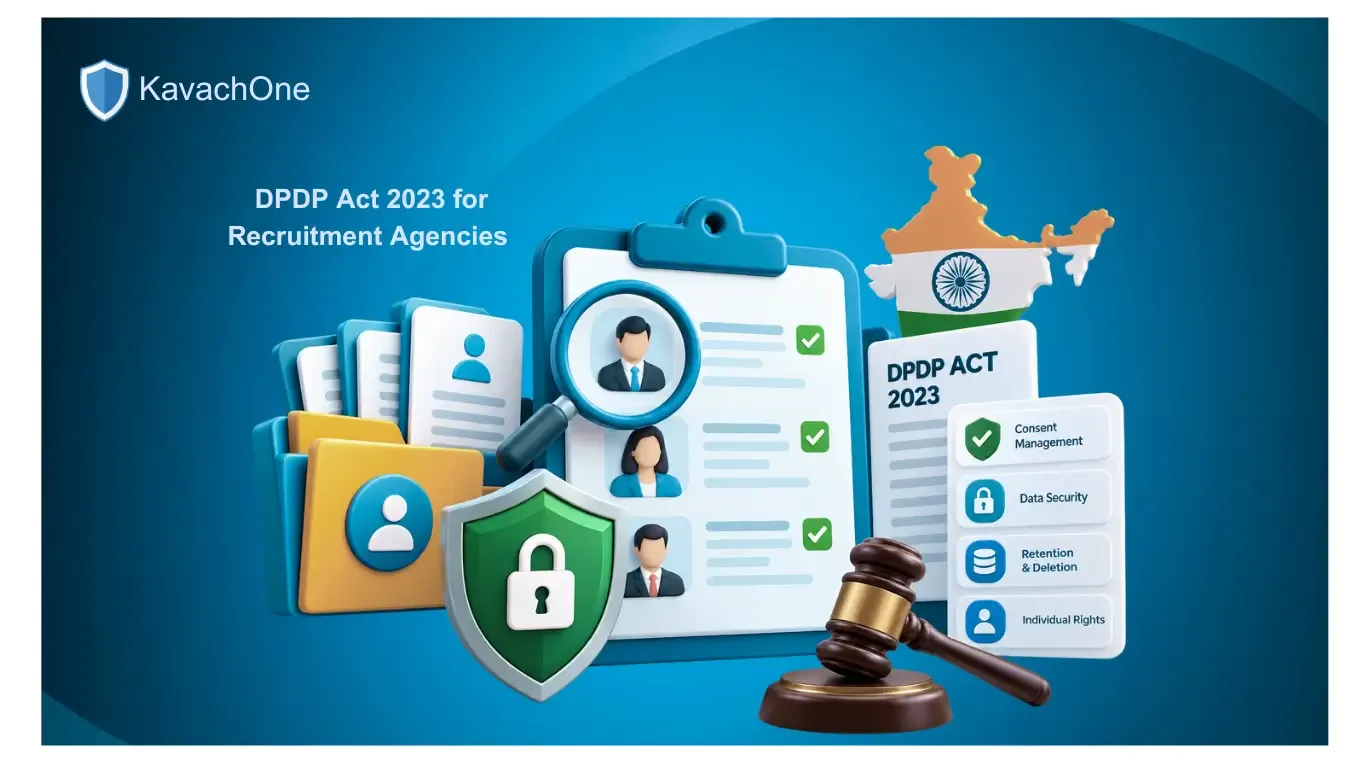

India Digital Personal Data Protection (DPDP) Act has revolutionized the collection, processing, and storage of personal data in organizations. Businesses in any industry should now make sure that their data or practices are in line with the legal procedures of the DPDP Act. Nevertheless, it may be complicated to know the legal requirements, adopt consent management, and ensure compliance. That is why a lot of organizations cooperate with a consultant of DPDP Act in India to facilitate compliance and mitigate regulatory risk. This guide discusses the services of DPDP consultants, some of their core services, and the process of selecting the appropriate compliance partner of any business in 2026.
What is a DPDP Act Consultant?
A DPDP Act consultant is a compliance expert who helps organizations align their data handling practices with the requirements of India’s Digital Personal Data Protection Act. These consultants help businesses adopt policies, tools, and governance structures that stipulate lawful handling of personal data. DPDP consultants are usually involved in:
Data protection strategy
Treatment consent management implementation
Privacy policy development
Risk evaluation and data mapping
Compliance audits
Employee training
Why DPDP more Important in 2026 than it did earlier
With increasing digital ecosystem in 2026, the role of the Digital Personal Data Protection (DPDP) Act has become highly important in India. Strong data protection practices are becoming critical to businesses today because protection of personal data is as high as it has never been before, and compliance and consumer trust are important.
A number of reasons have rendered compliance with DPDP more urgent now than before.
1. Greater Regulatory Enforcement
Regulatory authorities will likely be keen on the way organizations manage personal data as the DPDP Act implementation continues to happen. Any company which does not adhere to the regulations of data protection can be fined and even prosecuted. This has compelled companies to focus on regulation and assume formalized data governance measures.
2. Quick Expansion of Online Companies
The digital economy of India has grown tremendously and currently there are additional companies online as well as mobile applications, SaaS services, and online businesses based on e-commerce. The kind of personal information that is gathered by these organizations is enormous thus privacy protection is a major operational need.
3. Rising Consumer Awareness
Now consumers are more conscious of their rights of privacy and would like companies to be transparent with them on how the personal data they provide is utilized. Companies that have robust privacy policies and defined consent processes have a higher chance of developing customer trust and loyal relationships in the long term.
4. Tighter International Data Privacy Regulations
There are many Indian companies which are global or cater to international clients. At the same pace with current privacy requirements, such as DPDP, assist companies in fulfilling the international demand regarding data security and responsible data management.
5. Requirement of Organized Consent Management
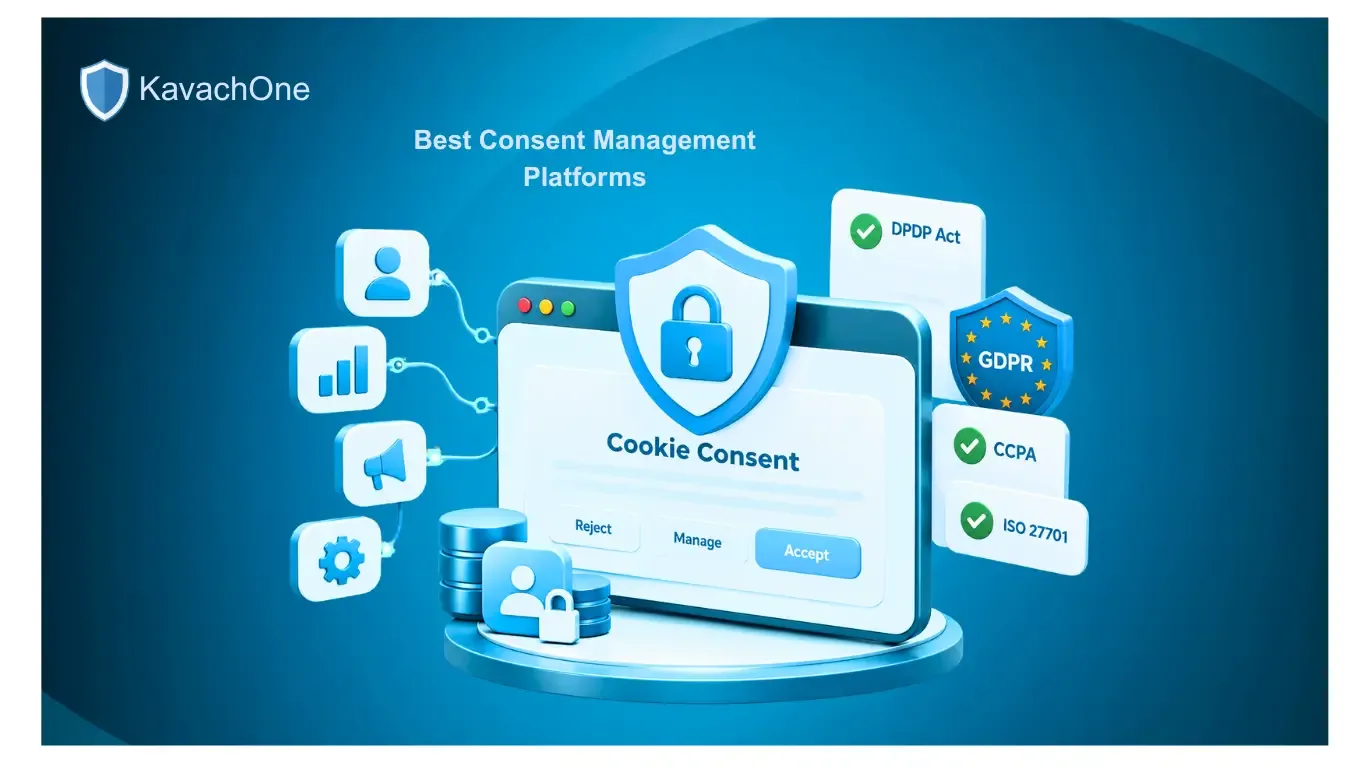
According to the DPDP Act, a clear user consent should be received by the organization prior to the collection or processing of personal data. This can be a complicated process to manage by hand, particularly in the case of companies with high amounts of data. Due to the same, automated consent management platforms are being embraced by many businesses to ensure compliance and proper audit trails.
6. Increasing Cybersecurity Threat
Cyber threats and data breach risks have also increased as the world is becoming more digital. Effective data protection systems can assist companies to minimize the risks associated with security as well as the sensitive information is managed in a responsible manner.
A company that is complying with the DPDP Act in 2026 will not only be doing this because it is legally obliged to do so, but because it is also a vital aspect of doing responsible business. By actively pursuing privacy-first policies, the organizations will be in a better position to stay regulatory compliant, keep customer data safe, and gain customer confidence in the digital economy over the long run.
Key Services Offered by KavachOne in India
The majority of DPDP advisors in India offer a variety of services that aim at assisting organizations at various levels of compliance.
Gap Assessment of Data Protection
Determining the discrepancies between current practices and the DPDP Act requirements.
Consent Management Implementation
Implementing a consent management system to monitor and control user privileges.
Privacy Policy and Documentation
Coming up with privacy notices, internal policies and data protection procedures.
Risk and Impact Assessments
Decision making based on privacy impact assessments on high-risk data processing operations.
Continuing Compliance Surveillance
Assistance to organizations by conducting repeated audits and monitoring of the organizations to ensure they stay in line.
DPDP Compliance Solutions Comparison: Consultant vs Platform vs Internal Team
Indian businesses generally pursue three methods to comply with DPDP through these methods: contracting a consultant, a compliance platform, or creating an internal compliance team.
Feature | Traditional Consultant | Compliance Platform (KavachOne) | Internal Compliance Team |
Compliance Setup | Manual guidance | Automated platform | Requires internal expertise |
Consent Management | Limited support | Built-in automated system | Complex implementation |
Compliance Monitoring | Periodic audits | Continuous monitoring | Manual tracking |
Implementation Speed | Slow | Fast | Moderate |
Cost Efficiency | High consulting fees | Scalable pricing | High operational cost |
How KavachOne Assists in DPDP Act Compliance
KavachOne is a prominent DPDP compliance and consent management system in India that aims at assisting organizations to effectively manage privacy requirements. Under KavachOne, businesses will be able to:
Introduce consent management based on DPDP.
Monitor the full consent lifecycle.
Manage cookie consent and child consent.
Maintain secure audit logs
Automate privacy compliance processes.
Produce audit compliance reports.
Through the platform, startups, SaaS firms, fintech firms, and enterprises can make their privacy governance framework simpler.
Conclusion
The DPDP Act is a significant change in the data protection in India. Companies that take the initiative to enact compliance structures will be in a better stance to secure the user's information and uphold regulatory confidence. The collaboration with the qualified DPDP Act compliance consultant in India may assist the businesses in making the process of compliance easier, minimizing the risks associated with legal matters, and establishing powerful privacy practices. Such platforms as KavachOne allow businesses to use DPDP-based consent management and have a clear data governance structure in 2026 and the future.
Frequently Asked Questions (FAQs)
KavachOne Editorial Team
Cybersecurity & Compliance Experts