
India’s Digital Personal Data Protection (DPDP) Act 2023 is changing how organizations collect, use, and protect personal data. With penalties as high as ₹250 crore, following the rules is now essential.
By 2026, businesses need to move past manual methods and use automated, audit-ready compliance systems. This guide gives you a full DPDP Act compliance checklist and explains how KavachOne can help your organization stay compliant with ease.
Understanding DPDP Compliance Requirements
The DPDP Act requires organizations, called Data Fiduciaries, to take strong steps to protect digital personal data. Key compliance areas include:
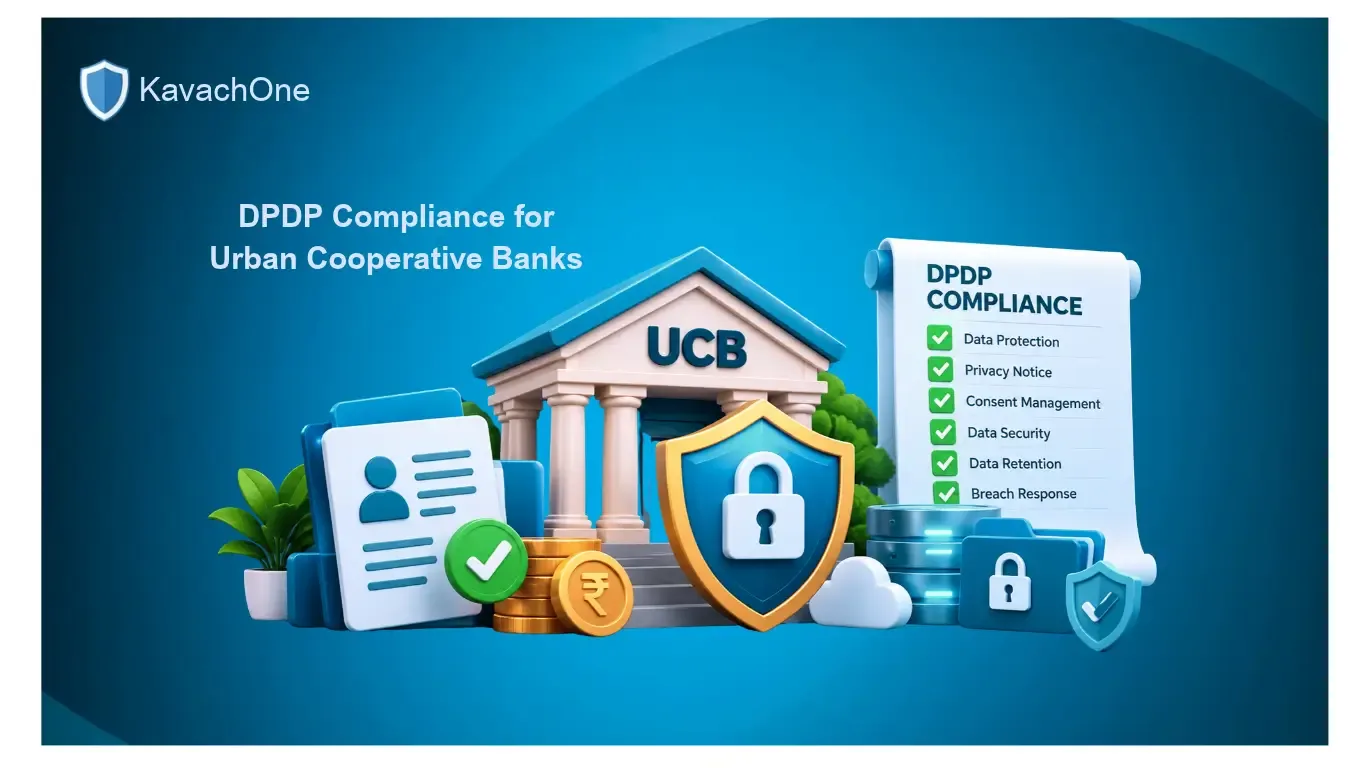
Consent Management: Set up systems to obtain, manage, and revoke user consent with granular control.
Data Governance: Appoint a Data Protection Officer (DPO) and keep clear Records of Processing Activities (RoPA).
Impact Assessments: Carry out Data Protection Impact Assessments (DPIA), especially if you are a Significant Data Fiduciary (SDF).
Audit Readiness: Maintain secure audit records and be ready for external data checks to meet compliance requirements.
Streamlining DPDP Act Compliance in India with KavachOne
KavachOne offers a specially designed, AI-powered privacy tool made for Indian rules, helping organizations stay ready for audits without adding complexity. By using advanced technology in daily work, KavachOne helps businesses reduce risks and build strong customer trust.
Key Advantages of the KavachOne Suite
Automated PII Discovery: Instantly identify and categorize sensitive data across your ecosystem.
Multilingual Support: Manage consent and privacy notices in more than 22 Indian languages to stay inclusive and compliant.
Comprehensive Lifecycle Management: Follow the entire consent process, from collection to withdrawal, and get real-time updates.
Scalable Governance: Easily connect with your current IT systems so your compliance program can grow with your business.
How KavachOne automates DPIA and RoPA?
KavachOne automates the complex manual work involved in Data Protection Impact Assessments (DPIA) and Records of Processing Activities (RoPA). It uses AI-driven discovery and structured, audit-ready workflows. By bringing all documentation into one smart platform, KavachOne helps organizations stay compliant with the DPDP Act at all times.
Automating RoPA
KavachOne changes RoPA from fixed spreadsheets into a live, real-time list of an organization's data systems.
AI-Driven Discovery: KavachOne’s PII scanners automatically find, sort, and map personal data across databases, apps, and cloud systems. This keeps RoPA accurate without manual effort.
Contextual Integration: Each processing activity is automatically linked to verifiable consent logs, ensuring that data processing purposes are transparently mapped to user-granted permissions.
Dynamic Governance: The platform tracks the full consent lifecycle—including updates and revocations—and manages ROT (Redundant, Obsolete, and Trivial) data to strictly adhere to data minimization principles.
Automating DPIA
KavachOne simplifies the DPIA process by bringing it into one connected system that scores risks.
Trigger-Based Assessments: The platform automatically spots high-risk data activities that need a DPIA, making sure no legal requirement is missed.
Guided Workflows: Using ready-made risk templates that follow DPDP rules, the platform helps teams from IT, Legal, and Product work through the assessment, ensuring consistent risk checks.
Evidence-Based Reporting: KavachOne aggregates risk findings, mitigation plans, and assessment logs into a unified dashboard, generating auditor-ready evidence bundles with one click.
Compliance Integration
The synergy between these two modules creates a closed-loop governance system.
Unified Dashboard: Real-time visibility into the "Consent Health" of the organization, allowing DPOs to monitor the status of both DPIA actions and RoPA inventory from a single interface.
Audit Readiness: By automatically generating documentation that maps technical risks to DPDP Act requirements, KavachOne reduces the time spent on audit preparation by weeks, ensuring the organization is always ready for Data Protection Board inspections.
DPDP Act compliance checklist for Indian businesses
To comply with the Digital Personal Data Protection (DPDP) Act, follow a clear four-phase approach that takes you from data discovery to ongoing accountability. This checklist covers the key steps Indian businesses need to meet these rules.
Phase 1: Discovery and Assessment
Compliance starts with understanding how you use data and finding any gaps in your current data practices.
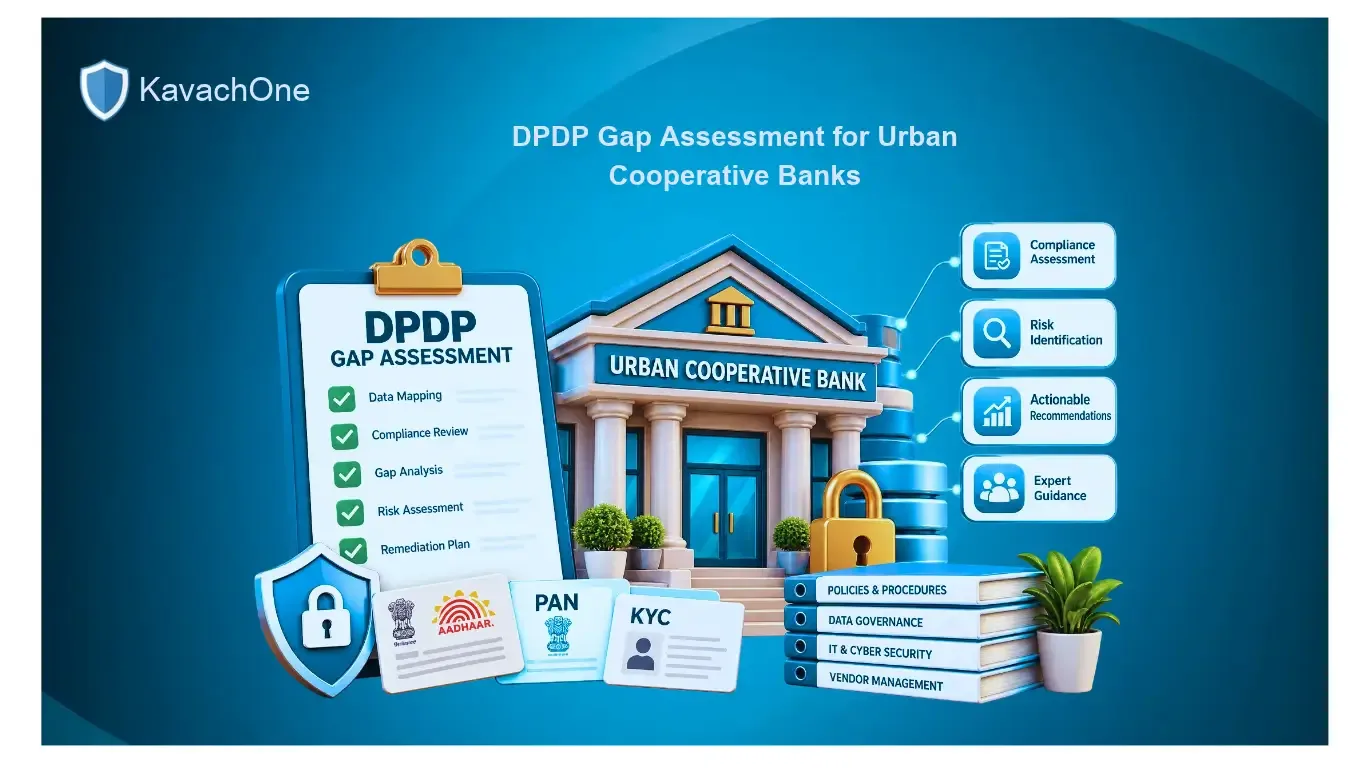
Data Inventory and Mapping: Record all types of personal data collected, stored, and used to understand the entire data lifecycle.
Applicability Analysis: Determine your status as a Data Fiduciary or Significant Data Fiduciary (SDF) to identify specific legal obligations.
Gap Analysis: Evaluate current privacy controls against DPDP requirements to prioritize remediation efforts.
Phase 2: Design and Strategy
Take what you learned in the discovery phase and use it to build strong frameworks and policies.
Policy Development: Create clear and simple privacy notices that explain to data owners why, what, and how their personal data is used.
Consent Management System (CMS): Set up a reliable system to collect, manage, and withdraw consent with detailed control.
Governance Structure: Name a Data Protection Officer (DPO) and set up procedures to handle user requests for data changes or deletion.
Phase 3: Implementation and Operationalization
Translate your strategies into technical and organizational actions.
Security Safeguards: Deploy technical measures such as encryption, access controls, and firewalls, alongside organizational protocols such as employee training.
Vendor Management: Establish formal Data Processing Agreements (DPAs) with third-party processors to ensure they comply with DPDP requirements.
Breach Protocols: Set up internal reporting workflows to detect, contain, and notify relevant authorities and individuals of any data breaches.
Phase 4: Ongoing Monitoring and Accountability
Compliance is an ongoing process of review, not just a one-time project.
Periodic Audits: Conduct regular internal and independent audits to assess the effectiveness of privacy controls.
Impact Assessments: Perform Data Protection Impact Assessments (DPIAs) for new projects or high-risk processing activities.
Continuous Awareness: Maintain ongoing training programs to ensure all staff understand their roles in maintaining data integrity and digital ethics.
Moving Toward 2027 Readiness
As the deadline for full compliance approaches, organizations should focus on finalizing their data processing agreements and security protocols. Automated tools like KavachOne let teams focus on their main work while keeping security strong and flexible to meet Data Protection Board rules. Setting up these systems now is not just a legal need; it also gives you a competitive edge by showing your commitment to data integrity and digital ethics.
Start Your DPDP Compliance Journey Today
Don’t wait for penalties or audits. Start your free trial with KavachOne today.
KavachOne Editorial Team
Cybersecurity & Compliance Experts