
Pune is one of India's most dynamic centers for finance and information technology and hosts several established non-banking financial companies (NBFCs), auto lenders, MSME financiers, and rapidly expanding digital lending platforms. The rapid digitization of customer onboarding, instant credit scoring, and automated underwriting is now subject to strict regulatory requirements under the Digital Personal Data Protection (DPDP) Act.
The requirement for Pune's NBFC sector to manage borrowers' personally identifiable information (PII) goes beyond mere compliance with the Reserve Bank of India (RBI)'s prudential guidelines, as the DPDP framework imposes fines of up to ₹250 Crore for each breach.
A dedicated DPDP consent management platform helps NBFCs in Pune stay compliant, build borrower trust, and keep the digital lending process smooth.
The Consent Challenge for Pune’s Lending Ecosystem
The NBFCs function within an ecosystem that includes Loan Service Providers (LSPs), Direct Selling Agents (DSAs), credit information bureaus such as CIBIL, Experian, and CRIF High Mark, and also third-party recovery networks.
Every loan application generates multiple data touchpoints:
KYC and identity verification include records of the PAN, Aadhaar e-KYC, bank statements, and biometric and photographic data.
For the credit assessment and underwriting process, obtain consent from the bureau, conduct alternative data checks, and verify income.
The promotion of pre-approved loans, the use of tele-calling lists, and the sending of jobs to collection agencies.
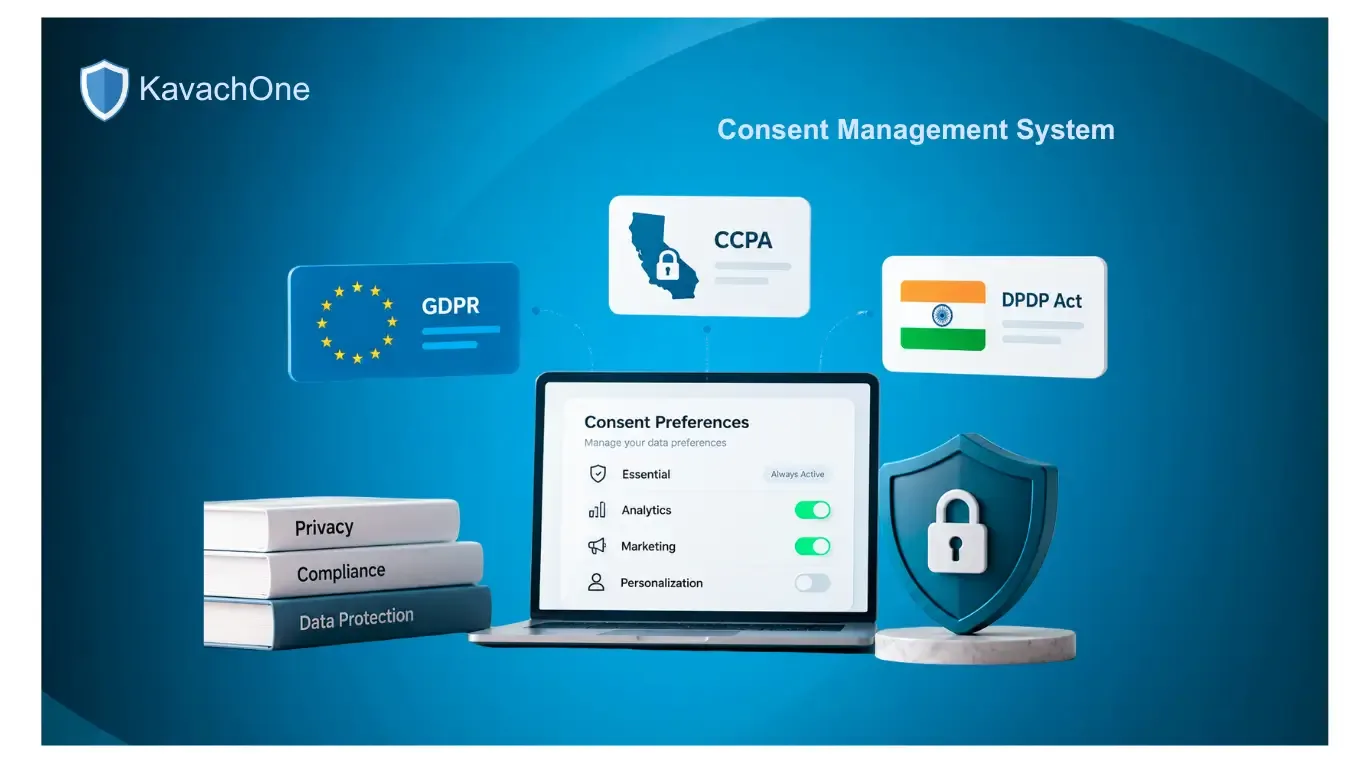
Section 6 of the DPDP Act requires that data processing is based on free, specific, informed, unconditional, and clear consent, along with a detailed notice. The days of bundled checkboxes, where customers agree to everything with one click, are now over.
The overlapping requirements of the DPDP Act and the RBI guidelines
There is a widespread belief among financial fiduciaries that the current RBI compliance procedures automatically satisfy the requirements of the DPDP. In reality, NBFCs must comply with both sets of guidelines simultaneously.
Compliance Area | RBI / PMLA Mandates | DPDP Act Requirements |
Data Retention | Mandatory 5-year retention for KYC and transaction records. | Mandates data erasure when purpose is served (unless overridden by statutory retention). |
Consent Specificity | Explicit consent for digital services and lending touchpoints. | Purpose-first, granular consent decoupled from terms and conditions. |
Grievance Redressal | Internal Ombudsman & RBI CMS channels. | Dedicated Data Protection Officer (DPO) and Data Principal redressal mechanism. |
Linguistic Reach | Regional customer communication practices. | Mandatory notice availability in English and all 22 Scheduled Indian Languages. |
How KavachOne’s ConsentiQo Solves NBFC Privacy Needs
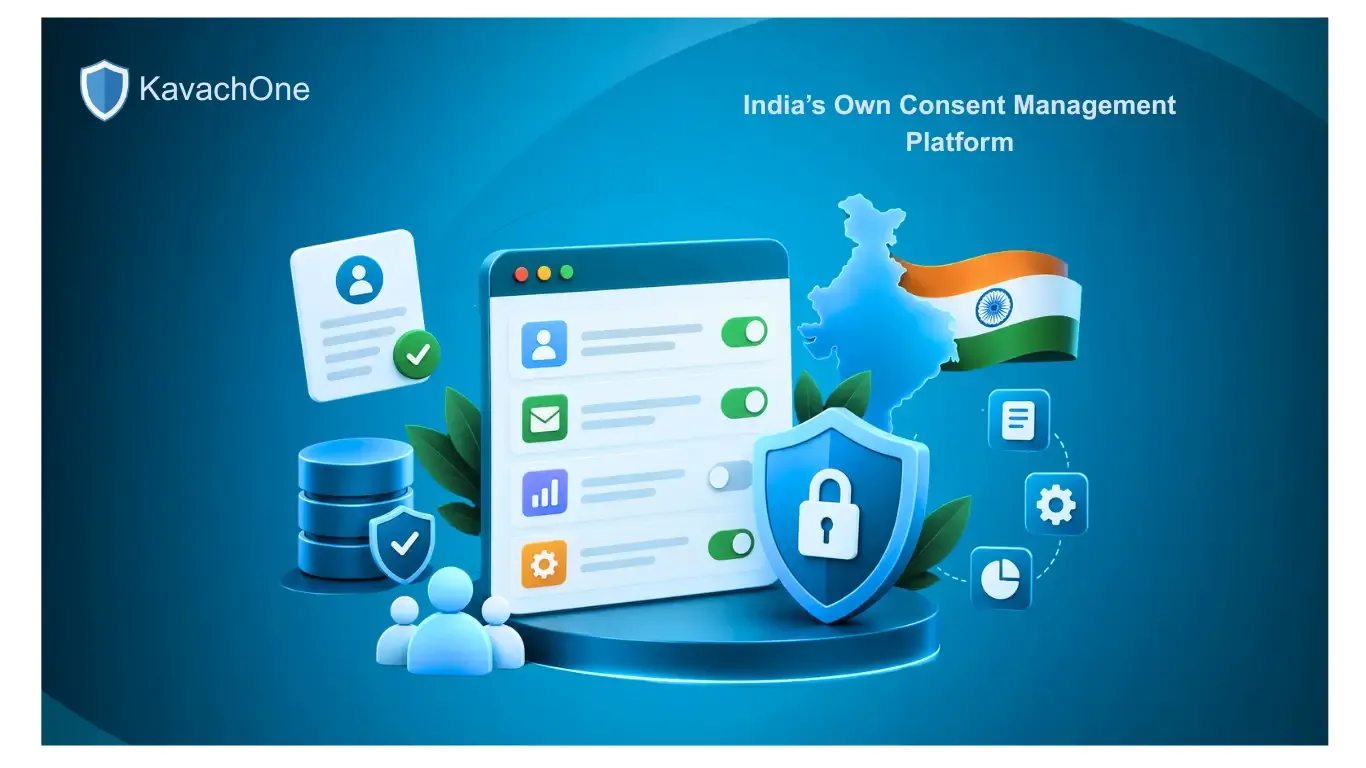
ConsentiQo by KavachOne is an enterprise-grade Consent Management Platform (CMP) purpose-built for the Indian regulatory landscape. Rather than adapting global cookie banners engineered for GDPR, ConsentiQo natively addresses the DPDP Act’s specific architectural requirements for BFSI entities.
1. Purpose-First, Granular Opt-Ins
ConsentiQo separates core loan servicing consent from secondary activities such as credit card cross-selling, insurance add-ons, and analytical profiling. Borrowers can complete their loan application while selectively controlling optional permissions.
2. Native Marathi and 22 Scheduled Indian Languages
Pune NBFCs cater to diverse demographic segments across Maharashtra and western India. ConsentiQo supports all 22 Indian languages (including Marathi, Hindi, Gujarati, and English), serving clear, localized consent notices without code rework.
3. Real-Time Downstream Sync via APIs & Webhooks
When a borrower withdraws consent for marketing or non-essential data, ConsentiQo sends real-time updates to your LOS, LMS, and CRM systems.
4. 7-Year Tamper-Proof Audit Artifacts
Each time consent is given, renewed, or withdrawn, it is securely logged with a timestamp, device details, and the version of the notice. These records can be exported for DPBI or internal audits.
5. Workflows for automated DSARs and grievances
ConsentiQo offers a self-service DSAR interface, allowing borrowers to request data corrections, view processing summaries, or appoint representatives. This helps reduce internal response times.
ConsentiQo vs. Generic Global Privacy Tools
Capability | Generic Global CMPs | KavachOne ConsentiQo |
Regulatory Framework | GDPR / CCPA Focused | 100% DPDP Act Native |
Language Coverage | Major Global Languages | All 22 Scheduled Indian Languages |
Pricing Model | Expensive per-consent metering | Predictable, zero per-consent penalties |
BFSI / LMS Interoperability | Complex custom work required | Pre-built REST APIs & Webhooks for BFSI |
Audit Log Longevity | 30 to 90 Days standard | 7-Year Secure Log Retention |
Deployment Speed | Weeks of configuration | Go-live in under 48 Hours |
Benefits of Using a DPDP Consent Management Platform
A dedicated consent management platform offers NBFCs and digital lenders several strategic, operational, and regulatory benefits.
Automated DPDP Act Compliance
It eliminates the statutory liability for penalties of up to ₹250 Crore by making sure that every point at which borrower data is accessed is based on valid, unbundled consent.
Zero Manual Overhead & Real-Time Sync
It automatically captures consent and immediately sends withdrawal requests to the LOS, LMS, and CRM systems via API webhooks, with no manual action required.
7-Year Tamper-Proof Audit Readiness
Produces immutable, timestamped audit logs for the various versions of notices and for user opt-ins, which can be exported immediately during DPBI reviews or internal audits.
Multilingual Borrower Transparency
Provides detailed consent notices in English and all 22 scheduled Indian languages (such as Marathi and Hindi) to help build trust without reducing onboarding conversion rates.
Seamless Third-Party Vendor Governance
Provides real-time visibility and automatically tracks consent across lending service providers (LSPs), debt collection agents, credit bureaus, and recovery agencies.
Scalable Lending Architecture
Fast-growing NBFCs can introduce new credit products, co-lending partnerships, and digital channels without having to rewrite the underlying compliance code.
5 Steps for Pune NBFCs to Deploy DPDP Architecture
Conduct a Data Ingress Audit: Map all personal data ingestion points across web portals, mobile lending apps, DSA channels, and co-lending partners.
Draft Modular Consent Notices: Structure individual notices for KYC verification, bureau submissions, recovery, and promotional messaging.
Embed ConsentiQo SDKs: Integrate KavachOne’s lightweight SDKs or JavaScript triggers into your customer onboarding funnels.
Configure Retention Rules: Harmonize DPDP erasure requests against mandatory RBI/PMLA 5-year data retention registers.
Establish DPO & Redressal Dashboards: Monitor consent opt-in ratios, handle customer queries, and keep audit-ready documentation on standby.
Upgrade Your NBFC's Privacy Architecture
Compliance does not have to slow down your lending velocity. With KavachOne ConsentiQo, Pune’s NBFCs can transform data privacy into a strategic differentiator that builds customer confidence and meets regulatory expectations.
Are you ready to automate your DPDP compliance across your lending process?
Contact the KavachOne team today to schedule a walkthrough of ConsentiQo.
Frequently Asked Questions (FAQs)
KavachOne Editorial Team
Cybersecurity & Compliance Experts