
Selecting the right DPDP Act compliance software requires looking past surface-level cookie banners and generic privacy dashboards. When enterprise security, legal, and procurement teams evaluate compliance platforms, the biggest risk is investing in fragmented tools that fail during an actual regulatory inquiry or audit.
This technical buyer’s checklist skips basic legal definitions and focuses on software architecture, Indian regulatory edge cases, audit readiness, RFP questions, and deployment timelines. It is designed to help you find the best DPDP Act compliance software for long-term success.
1. Data Discovery & Zero-Egress Architecture
Most legacy privacy tools rely on manual spreadsheets or require exporting sensitive customer records to an external cloud for classification. For Indian banks, SaaS firms, and enterprises, moving raw personal data outside your environment creates a secondary security risk.
When evaluating software vendors, verify these architectural capabilities:
Zero-Egress PII Scanning: Confirm whether the platform scans your AWS, Azure, GCP, or on-premises databases inside your own virtual private cloud (VPC) without copying raw personal data to the vendor’s servers.
Indian Identifier Recognition: Ensure the discovery engine accurately detects India-specific identifiers—including PAN, Aadhaar numbers, UPI IDs, passport numbers, and employee records—across structured databases (PostgreSQL, MongoDB, Snowflake) and unstructured file stores (S3 buckets, SharePoint, Google Drive).
Automated RoPA Sync: Check if discovered data assets automatically populate and update your Record of Processing Activities (RoPA) whenever new schemas, tables, or third-party APIs are added.
2. India-Native Consent & Edge-Case Readiness
Most global privacy platforms were originally built for European or US regulations and later adapted for India. When you see a software demo, check how the platform manages specific Indian requirements:
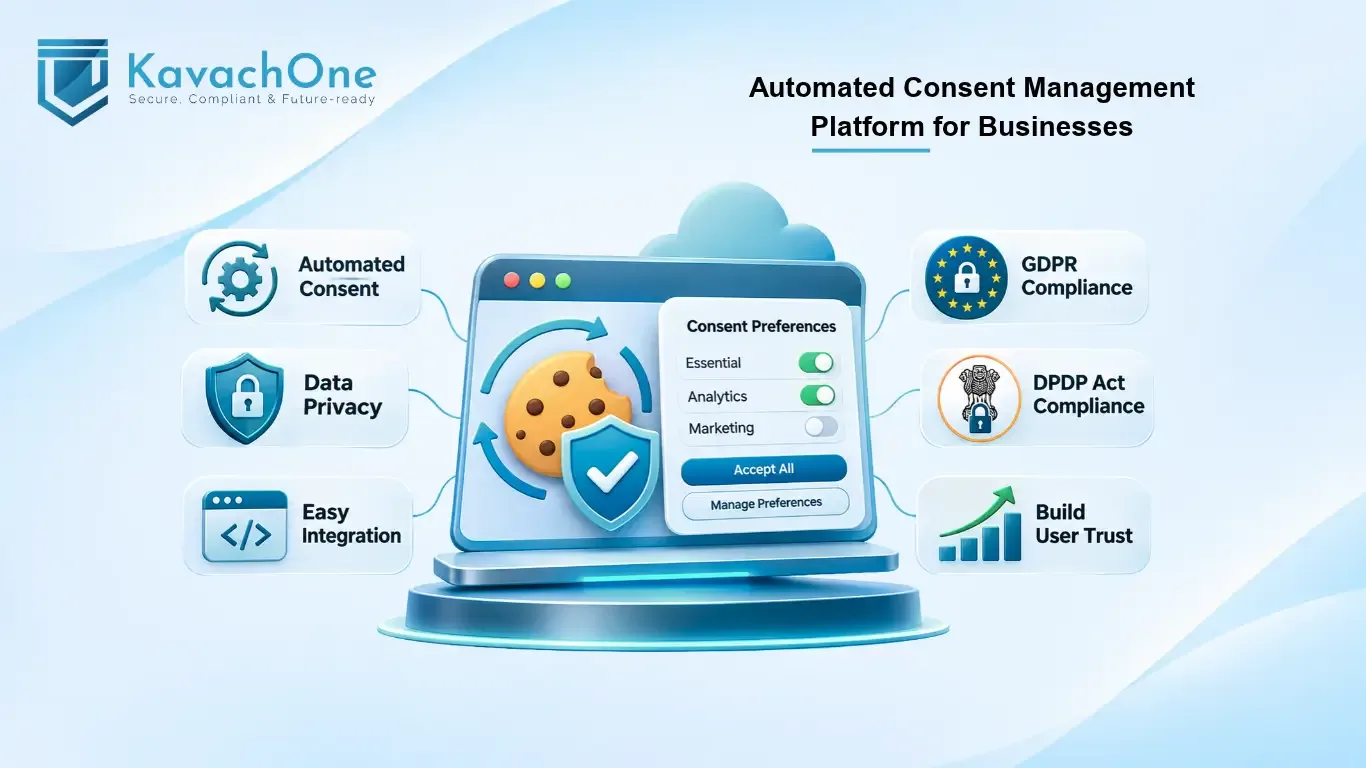
22 Eighth Schedule Languages: Confirm that the consent notices dynamically render in English and all 22 languages listed in the Eighth Schedule of the Constitution (i.e., the official languages of India), without any break in the website UI and without requiring manual upload of translated versions for each policy update.
Verifiable Parental Consent (VPC): If your platform serves minors, check whether your software has robust age gating and verifiable parent workflows (e.g., DigiLocker-compatible tokenized verification flows) rather than just simple self-declaration checkboxes.
Right to Nomination Workflows: Make sure your user preference portal lets people nominate someone else to use their data rights if they die or become unable to do so. This required workflow is often missing in foreign tools.
Unified Employee & Customer Scope: Ensure the software manages internal HR, payroll, applicant, and vendor contact records, as well as customer-facing website and mobile app consent.
3. Cryptographic Audit Logs & DPBI Defensibility
Collecting consent or processing a deletion request is only half the requirement; proving it to the Data Protection Board of India (DPBI) months or years later is what protects your organization.
Tamper-Evident Audit Trails: Look for SHA-256 cryptographic hashing or immutable ledger logging that proves that consent records, notice versions, and deletion timestamps have not been retroactively altered.
Seven-Year Retention Architecture: The platform must be able to archive consent artifacts and access logs for the long term with very low latency and provide one-click export for regulatory audits.
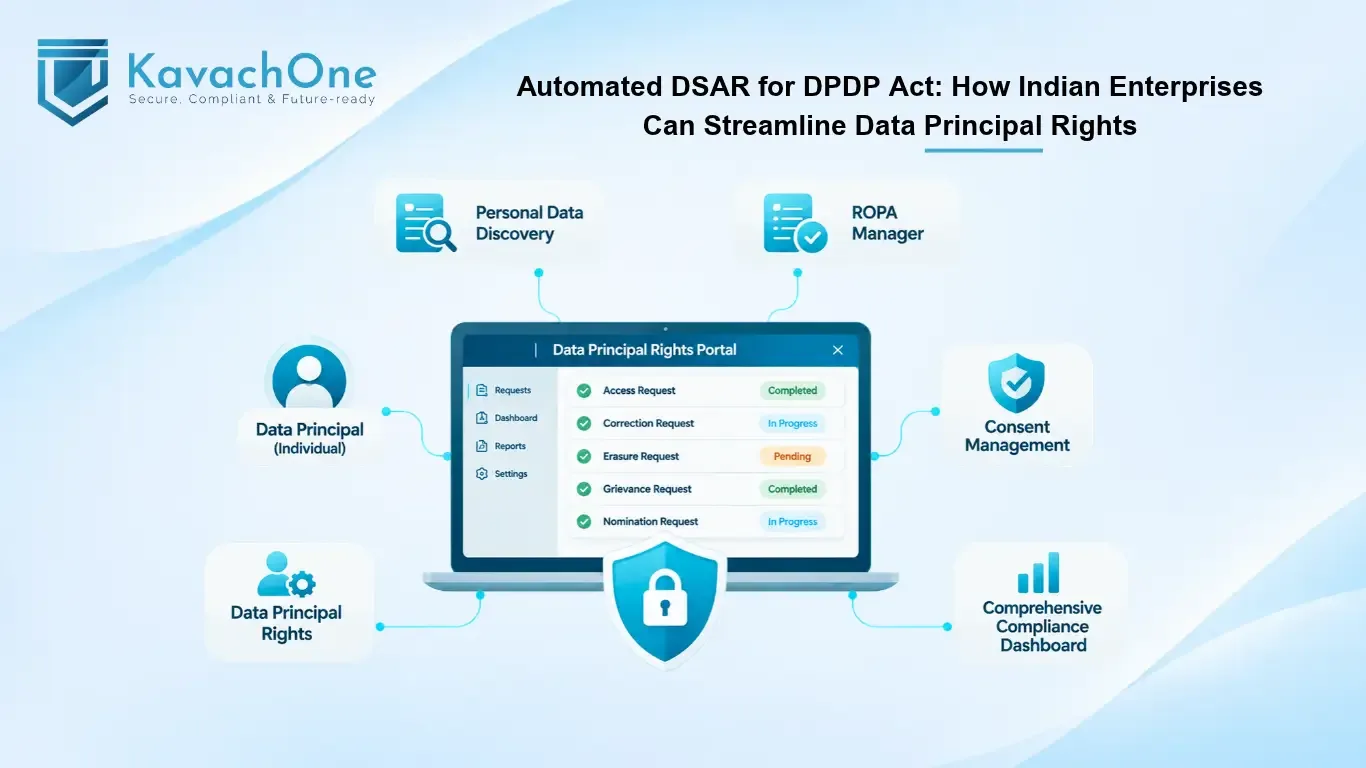
Human-in-the-Loop DSAR Orchestration: Check whether automated Data Subject Access Request (DSAR) workflows allow legal or DPO sign-off before executing permanent erasure across downstream CRMs, ERPs, and third-party processors.
4. Integration Depth & Breach Response Automation
A compliance tool that requires 6 months of bespoke engineering to get up and running is a complete adoption killer and a massive drain on the IT budget. How cleanly it integrates with your existing stack will be a major factor in your decision.
Real-Time APIs & Webhooks: Confirm automated webhook triggers so that when a user withdraws consent on your app, downstream marketing tools, analytics scripts, and cloud databases halt processing automatically.
Pre-Consent Script Blocking: Verify that third-party tracking pixels, SDKs, and analytics tags remain strictly blocked until explicit user consent is recorded.
Breach & Incident Response Timers: Verify the built-in incident-tracking workflows with automated SLA countdowns, root cause documentation, and structured notification templates for both the DPBI and affected individuals.
Vendor Risk Assessment Module: Check whether the platform lets you track Data Processing Agreements (DPAs), sub-processor chains, and cross-border transfer records from a single dashboard.
5. Essential RFP Questions for Your Software Demo
Before finalizing any vendor shortlist, ask your CISO, DPO, and engineering leads to validate these technical questions during live product demonstrations:
How does your scanner handle database latency? Confirm that automated PII scans run asynchronously or on read replicas without slowing down production application performance.
Are consent receipts tied to exact privacy notice versions? If you update your privacy notice today, the software must show the exact text version a user agreed to six months ago.
Can we configure Role-Based Access Control (RBAC) across group entities? Large enterprises with multiple subsidiaries need isolated workspaces with centralized executive reporting.
How quickly do regulatory updates reach the platform? Ask how fast the vendor updates assessment templates and workflows when new government notifications or rules are issued.
Where is compliance metadata hosted? Verify whether audit logs, DSAR tickets, and user preference records are stored within Indian data centers.
6. Five Red Flags to Watch Out for When Buying DPDP Software
Avoid platforms that exhibit any of these warning signs during evaluation:
Treating a Cookie Banner as Complete Compliance: Consent capture is just one link in the compliance chain; a tool without data discovery, DSAR routing, retention schedules, and breach workflows leaves major gaps.
Manual CSV-Based DSAR Fulfillment: If your team still has to download spreadsheets and email IT admins manually to delete user data, the software is not automating compliance.
Modular Billing Traps: Watch out for vendors that quote a low entry price for basic consent banners but charge heavy add-on fees for data discovery, multi-language packs, or audit exports.
No Automated Retention & Purge Schedules: Collecting data legally means nothing if the system cannot enforce automated deletion schedules once the stated purpose ends.
Lack of Vendor Security Attestations: Never entrust your privacy governance to a software provider that lacks its own verified security certifications.
7. A Realistic 30-Day Implementation Roadmap
Choosing the right platform accelerates time-to-value. Here is what a structured, four-week rollout looks like with modern cloud-native compliance software:
Week 1: Environment Setup & Connectors: Configure SSO, assign RBAC roles to the legal and IT owners, and connect the cloud databases, SaaS apps, and HR repositories using read-only or zero-egress connectors.
Week 2: Automated PII Discovery & RoPA Mapping: Run automated classification scans to map personal data flows, flag high-risk unencrypted stores, and generate your baseline RoPA inventory.
Week 3: Multilingual Consent & DSAR Portal Launch: Deploy dynamic, 22-language consent notices across web and mobile properties, enable pre-consent script blocking, and publish your self-service Data Principal rights portal.
Week 4: Vendor Onboarding & Audit Verification: Upload third-party processor DPAs, test end-to-end consent-withdrawal webhooks, and verify tamper-evident audit-log exports.
Why Enterprises Choose KavachOne as India’s Best DPDP Act Compliance Management Software
KavachOne is purpose-built for Indian regulatory realities, unifying every stage of the privacy lifecycle inside a single, enterprise-grade platform. Rather than stitching together disconnected point solutions, KavachOne combines ConsentiQo (multilingual consent management across English and all 22 Eighth Schedule Indian languages) with automated zero-egress PII discovery, human-in-the-loop DSAR fulfillment, dynamic RoPA mapping, third-party vendor risk management, and tamper-evident SHA-256 audit logging.
Backed by certified security practices and rapid cloud-native deployment, KavachOne enables CISOs, DPOs, and legal teams to move from manual spreadsheets to continuous audit readiness in weeks—not months.
Ready to Evaluate KavachOne for Your Organization?
See how KavachOne simplifies data discovery, multilingual consent, DSAR automation, and audit readiness on a single unified platform. Book a Personalized Demo with KavachOne Today
Frequently Asked Questions (FAQs)
KavachOne Editorial Team
Cybersecurity & Compliance Experts