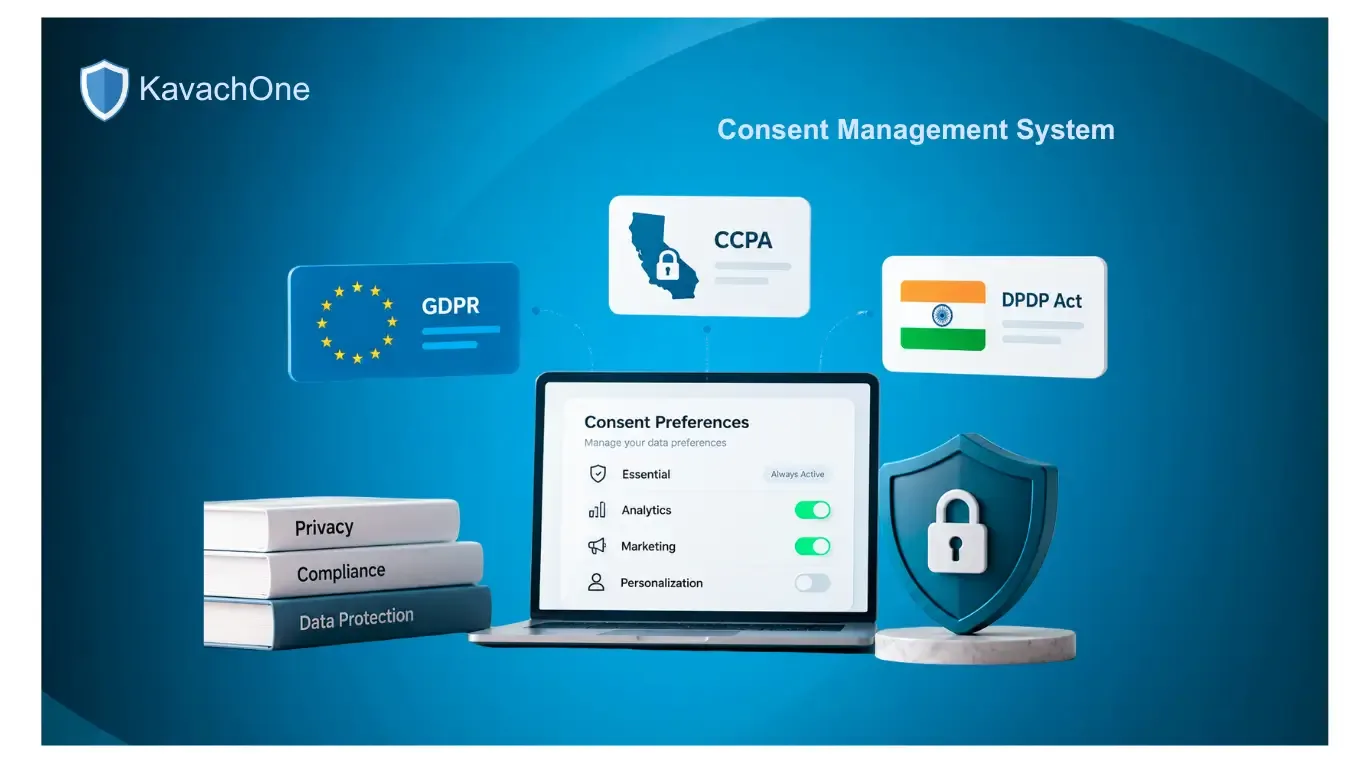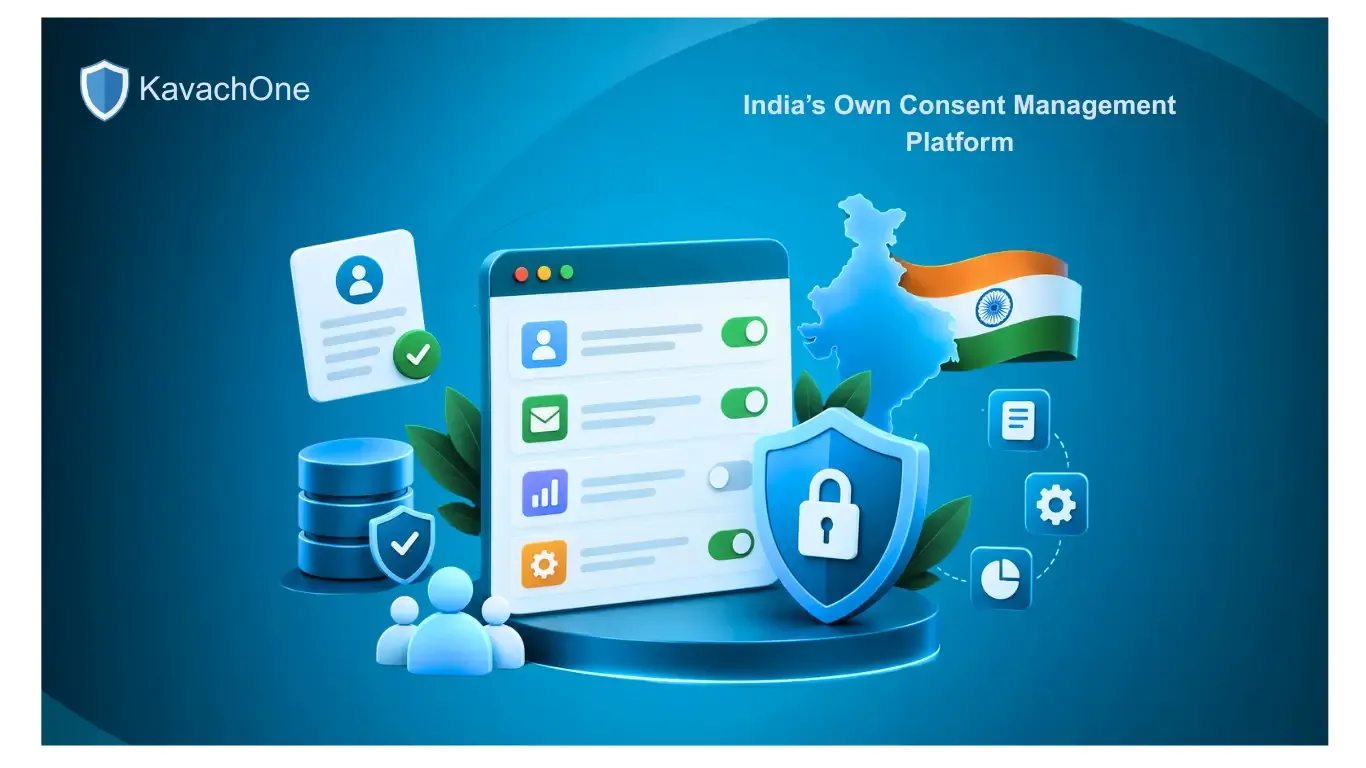

By 2026, data privacy will not just be a bonus for Indian startups; it will be required by law. The Digital Personal Data Protection (DPDP) Act means every business must handle user data transparently and get clear consent. For fast-growing startups, the real challenge is finding a secure solution that is also affordable.
That’s where KavachOne comes in. It’s an affordable Consent Management Platform (CMP) built to help Indian startups meet local regulations.
Why Your Startup Needs a CMP in 2026
The Indian DPDP Act has introduced a new era of accountability. If your startup processes the personal data of Indian citizens, you are required to:
Obtain Informed Consent:
Users must know exactly what data is being collected and why.
Offer Multilingual Notices:
In a diverse nation, consent notices must be available in regional languages.
Provide Revocable Options:
Users must have the right to withdraw their consent as easily as they gave it.
Maintain Audit Logs:
You must prove compliance with time-stamped records.
If you do not meet these standards, it is not just your reputation at risk. You could face penalties as high as ₹250 Crore.
Introducing KavachOne: The DPDP-Native Solution
Many platforms are made for international laws like GDPR, but KavachOne is built specifically for India. It helps startups meet complex legal rules, even if they have limited technical resources.
1. Transparent and Predictable Pricing
Most platforms charge you for every consent, so your costs rise quickly as you get more users. KavachOne’s Startup Plan offers flat, predictable pricing. You can grow your user base without worrying about rising compliance costs.
2. Ready for the 22 Official Languages
To follow the rules in India, your consent forms need to be easy for everyone to understand. KavachOne supports all 22 official Indian languages, so users in smaller cities know their rights. This helps you stay compliant and builds trust with more people.
3. Automated Consent Lifecycle Management
KavachOne automates the whole consent process, from the first time a user clicks "Accept" to when they withdraw or their data expires. Features include:
Customizable Banners:
Match your brand’s UI/UX.
Granular Opt-ins:
Let users choose specifically which data they want to share.
Centralized Dashboard:
Manage web, mobile app, and CRM consent from one place.
The "Audit-Ready" Advantage
If the Data Protection Board of India asks for proof, saying "we think we have consent" is not enough. KavachOne gives you automated, tamper-proof audit logs.
Every KavachOne plan keeps your logs for seven years, meeting the DPDP Act’s record-keeping rules. You can export PDF or CSV reports with one click to help you during any compliance audit.
Speed to Market: Integration in Days, Not Months
Startups need to move quickly, and your compliance tool should keep up. KavachOne has lightweight SDKs and strong APIs that fit easily into your current tech stack. Whether you use Flutter, React Native, or web frameworks, you can set up a compliant consent flow in just a few days.
Common Challenges Startups Face
Even with a CMP, startups may face some hurdles:
Limited budget for compliance tools
Lack of awareness about legal requirements
Technical complexity in implementation
Managing multi-channel consent
Picking a tool like KavachOne can make these challenges much easier to handle.
Conclusion: Compliance as a Competitive Edge
By 2026, people will care more about their data than ever before. When you choose KavachOne, you show your startup values of privacy and transparency. It is not just about avoiding fines; it is about building a brand that Indian consumers trust.
Want to protect your startup’s future? See how KavachOne can make your DPDP compliance simple today.
Here are some common questions to help your startup get started with the DPDP Act using KavachOne.
Frequently Asked Questions (FAQs)
KavachOne Editorial Team
Cybersecurity & Compliance Experts