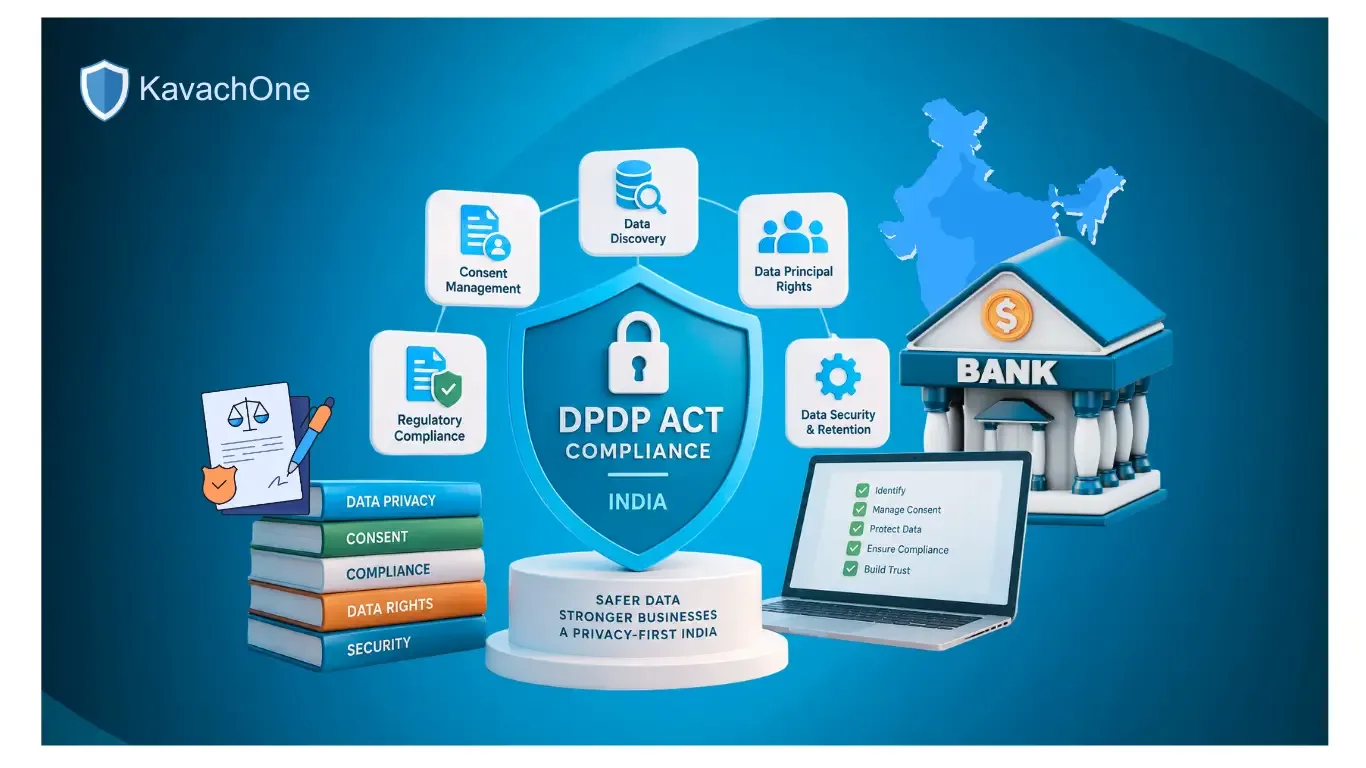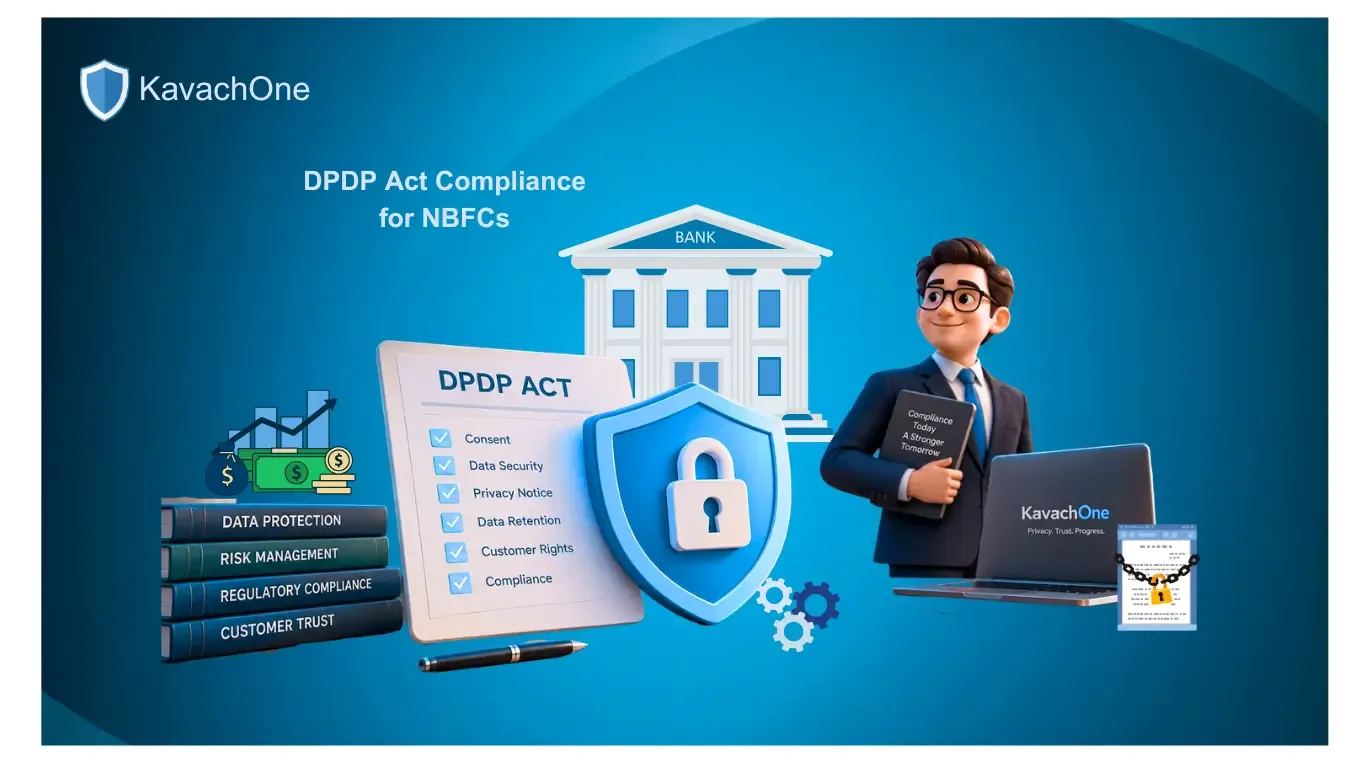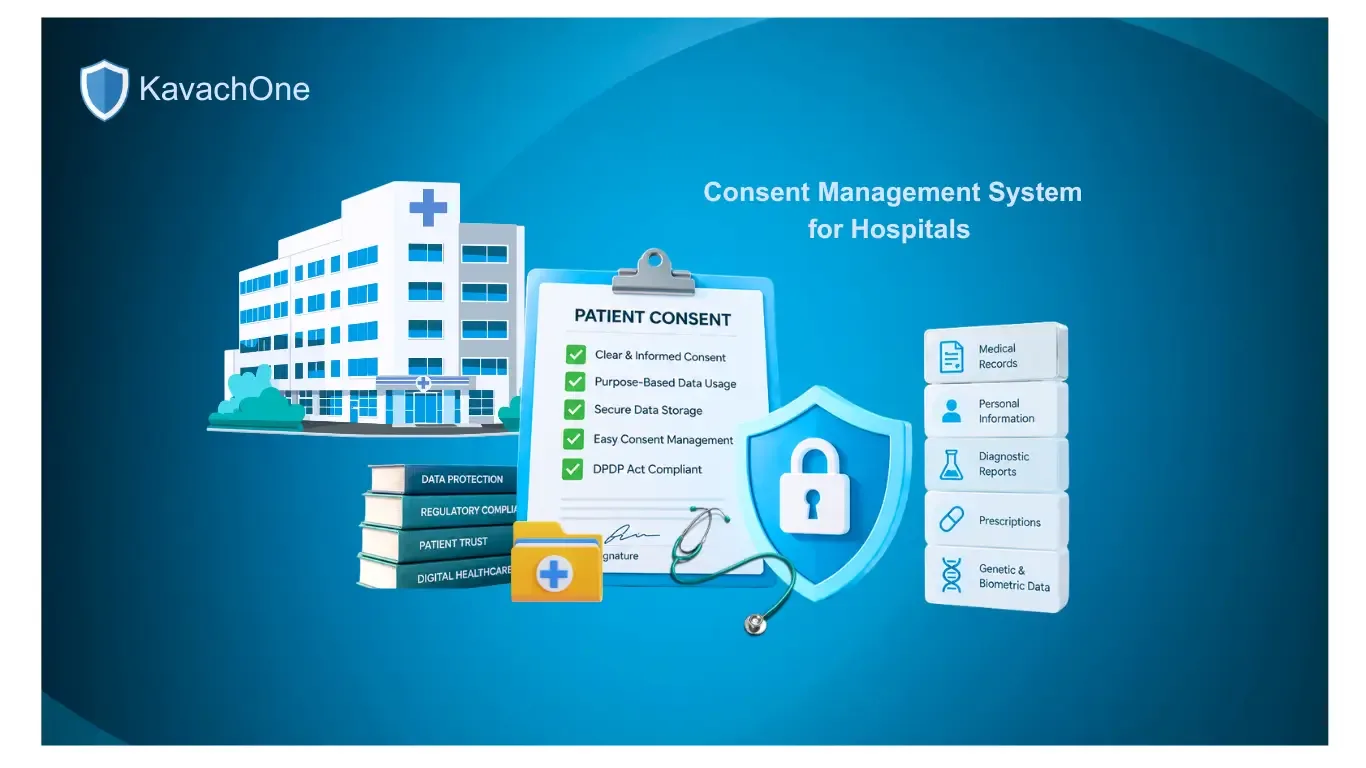

India's approach to data governance underwent a significant change with the introduction of the Digital Personal Data Protection (DPDP) Act. Privacy is now a legal requirement for businesses that handle digital personal data, and there are real penalties for noncompliance. To meet these requirements, companies need scalable technology, automated consent tools, and organized privacy management processes.
For organizations, DPDP compliance is therefore not simply about having a privacy policy. It requires a structured approach to data collection, consent, processing, security, retention, rights management, and compliance monitoring.
This is where DPDP Act compliance solutions in India can help organizations build a more organized and scalable data privacy framework.
What is the DPDP Act and why is it important to comply with it in India?
The Digital Personal Data Protection Act introduces new rules governing the management of digital personal data in India, including data collected online or converted from paper records. The Act is grounded in the principles of data minimization, a clear purpose, and user consent to protect people's privacy while permitting the necessary use of data.
Compliance is non-negotiable for commercial continuity:
In the area of financial risk, the Data Protection Board of India (DPBI) may impose substantial fines of up to ₹250 crore for each breach of security safeguards.
If you fail to comply, you could be subject to a regulatory investigation, be required to undergo audits, or be subject to court orders that would place restrictions on how you handle data.
When it comes to reputation, today's clients, investors, and customers expect companies to demonstrate that they handle data responsibly, and robust privacy practices not only protect your brand but also help to build trust in the market.
Who Needs DPDP Act Compliance in India?
The Act covers any organization handling personal data in India, as well as foreign companies that process data to provide goods or services to people in India.
Data Fiduciaries: These are individuals, companies, or institutions that decide why and how personal data is processed. They have the main legal responsibility under the Act.
Significant Data Fiduciaries (SDFs): These are organizations identified based on the volume of data they process, the sensitivity of that data, and the risks to national and public interests. SDFs have extra responsibilities:
Appointing an India-based Data Protection Officer (DPO).
Appointing an independent statutory data auditor.
Conducting regular Data Protection Impact Assessments (DPIAs) and periodic security audits.
Data Processors: These include service vendors, cloud providers, and SaaS platforms that handle data for a Data Fiduciary.
Target Sectors: The Act is especially important for FinTech, Healthcare, E-commerce, EdTech, SaaS, Banking, Insurance, Logistics, and large consumer platforms.
Key DPDP Act Compliance Requirements for Businesses
To comply with the DPDP Act in India, businesses need to make sure their operations meet the law’s specific requirements:
Obligation | Statutory Requirement | Operational Impact |
Notice & Consent | Clear, granular notice available in English and all 22 languages specified in the Eighth Schedule. | Overhaul legacy cookie banners and terms with itemized consent collection systems. |
Data Principal Rights | Users must have accessible methods to access, correct, update, or erase personal data. | Implement self-service privacy portals and structured intake queues. |
Breach Notification | Mandatory reporting of personal data breaches to both the DPBI and affected users. | Establish 24/7 security monitoring, incident triage, and automated reporting pipelines. |
Children's Data | Verifiable parental consent required; strict ban on behavioral tracking or targeted ads. | Deploy age-gating mechanisms and parental verification workflows. |
Purpose Limitation | Data retention strictly limited to the duration required to fulfill the stated purpose. | Automate data lifecycle management, archiving, and scheduled cryptographic erasure. |
Common Data Privacy Compliance Challenges in India
Updating company systems to meet data privacy rules can create challenges for engineering, legal, and operations teams:
Fragmented Data Ecosystems: Personal data frequently lives scattered across legacy databases, cloud buckets, customer service tickets, CRM platforms, and email archives. Establishing an accurate, updated data inventory remains a common bottleneck.
Multi-Language Consent Operations: Presenting compliant consent notices in 22 regional languages, while maintaining state tracking across web, mobile, and offline touchpoints, introduces complex front-end engineering demands.
Vendor & Supply Chain Risk: Fiduciaries remain accountable for data mishandled by third-party processors. Many organizations lack systematic mechanisms to enforce Data Processing Agreements (DPAs) or monitor downstream security postures.
Resource Deficits: Mid-market enterprises frequently lack dedicated in-house privacy engineers and certified DPOs to run periodic DPIAs, interpret board directives, and maintain audit logs.
Key Features of DPDP Compliance Solutions in India
To deploy enterprise-grade DPDP Act compliance solutions in India, you need platforms with specific features:
Automated Data Discovery & Mapping: Continuously scans relational databases, NoSQL stores, data lakes, and third-party SaaS integrations to discover, classify, and map Personally Identifiable Information (PII).
Multilingual Consent Management Platform (CMP): Generates, collects, and stores version-controlled consent records across web and mobile interfaces in mandatory regional languages, providing direct sync with downstream data access controls.
Data Principal Rights (DSR) Orchestration: End-to-end automation for processing access, rectification, and erasure requests within statutory response timelines.
Grievance Redressal Architecture: Secure, auditable channels enabling users to lodge privacy complaints directly with the Data Protection Officer before escalation to the DPBI.
Incident Response & Breach Logging: Standardized templates and response protocols configured to notify the DPBI and affected principals without delay during security incidents.
Continuous Vendor Assessment: Automated vendor risk evaluations, contract tracking, and third-party processor security verification.
How to Implement DPDP Compliance in Your Organization
Achieving compliance requires a step-by-step operational plan:
Establish Data Discovery & Lineage: Audit all digital touchpoints. Find out where data enters your organization, where it is stored, who can access it, and which third-party systems use it.
Conduct a Gap Analysis: Compare your existing practices regarding data collection, storage, and processing against the requirements set out in the DPDP to identify any gaps in compliance.
Upgrade Consent Workflows: Replace bundled or implicit consents with clear, standalone, bilingual or multilingual consent notices. These should explain exactly what data is processed and why.
Deploy DSR & Grievance Channels: Add privacy dashboards to help users manage their rights, along with an internal ticketing system for DPO review.
Enforce Security Safeguards: Use role-based access controls (RBAC), end-to-end encryption for data at rest and in transit, pseudonymization, and network segmentation for all databases that hold PII.
Train Personnel & Document Audit Trails: Provide
internal training for product, marketing, customer support, and IT teams. Keep unchangeable logs of all consent events, DSR requests, and security reviews.
Benefits of Using a DPDP Compliance Solution
Using dedicated DPDP compliance solutions helps your business go beyond just following legal checklists:
Substantial Risk Reduction: Protects your business from heavy DPBI penalties and reduces legal risks during security investigations.
Operational Efficiency: Automating consent tracking, data mapping, and erasure workflows saves hundreds of hours of manual legal and engineering work.
Faster B2B Enterprise Sales: Enterprise buyers require strong compliance checks. Showing you have active privacy frameworks speeds up security approvals.
Streamlined Data Architecture: Auditing personal data often uncovers unnecessary infrastructure, enabling organizations to reduce cloud storage costs by removing unused datasets.
How KavachOne Helps Businesses with DPDP Compliance
To achieve privacy compliance, you need to connect legal requirements with practical engineering controls. KavachOne offers DPDP Act compliance solutions tailored to the needs of Indian businesses and global companies handling Indian consumer data.
KavachOne brings together automated privacy tools and practical regulatory expertise:
End-to-End Data Discovery & Discovery Mapping: Scans complex cloud and on-prem architectures to catalog digital assets, pinpointing PII vulnerabilities before regulatory audits.
Turnkey Multilingual CMP: Out-of-the-box consent collection systems built to satisfy statutory language requirements across web applications, native apps, and point-of-sale touchpoints.
Automated DSR & Grievance Workflows: Scalable portals that streamline user identity verification, intake, data collation, and erasure validation without breaking backend pipelines.
Advisory & Fractional DPO Services: Certified privacy practitioners who conduct comprehensive DPIAs, structure vendor management frameworks, and interface directly with regulatory bodies.
KavachOne transforms statutory data compliance from an administrative hurdle into a competitive market differentiator.
Explore how KavachOne helps your organization streamline data discovery, automate DSR requests, and secure DPDP compliance. Request a Demo with KavachOne
Frequently Asked Questions
KavachOne Editorial Team
Cybersecurity & Compliance Experts