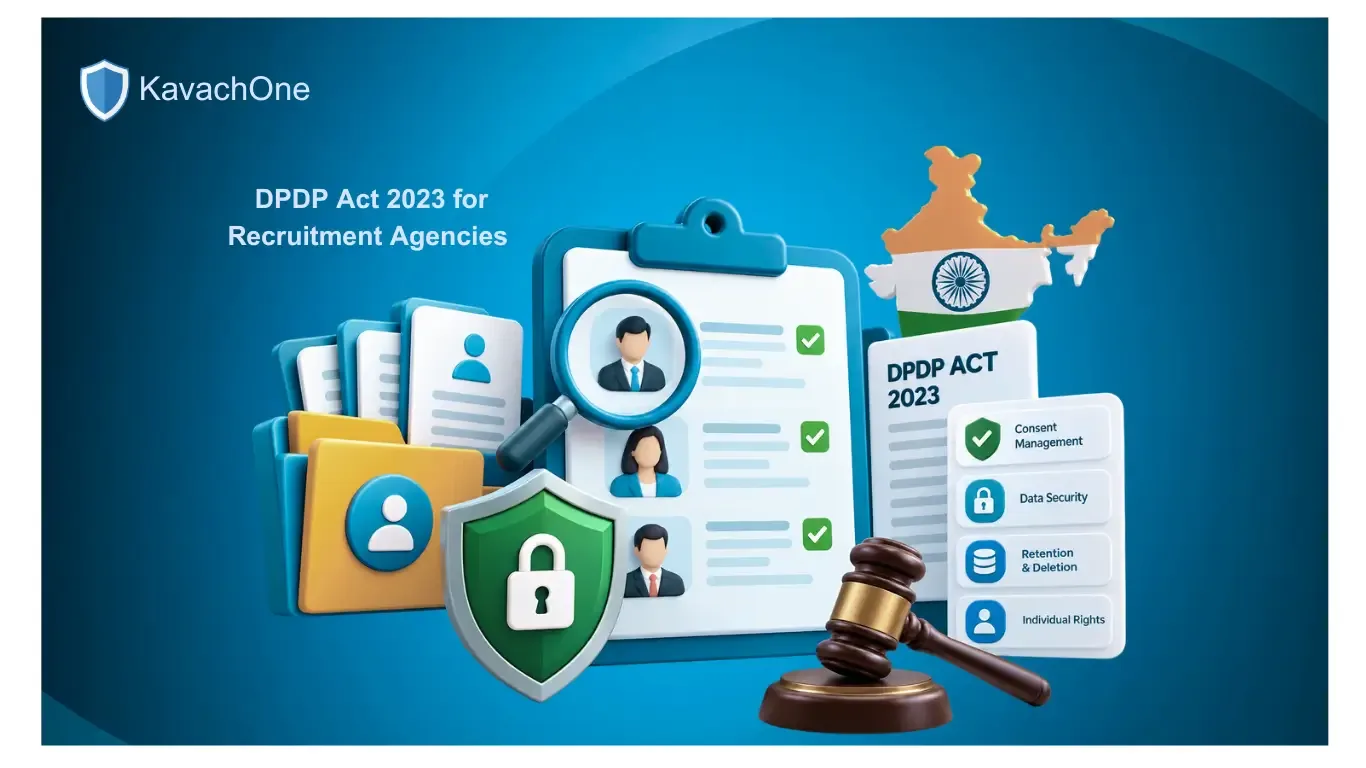

With enforcement mechanisms tightening and penalties reaching up to ₹250 crore for non-compliance, finding consent management solutions aligned with the DPDP Act (Digital Personal Data Protection Act) has become an urgent priority for Indian organizations and global enterprises handling Indian consumer data.
The DPDP Act differs from Western laws such as the EU's GDPR or California's CCPA. Consent can't just be a bundled clickwrap agreement. It must be free, specific, informed, unconditional, unambiguous, and come with itemized notices in English and all 22 Eighth Schedule Indian languages. Organizations also need to offer easy ways for users to withdraw consent, which must stop data processing right away.
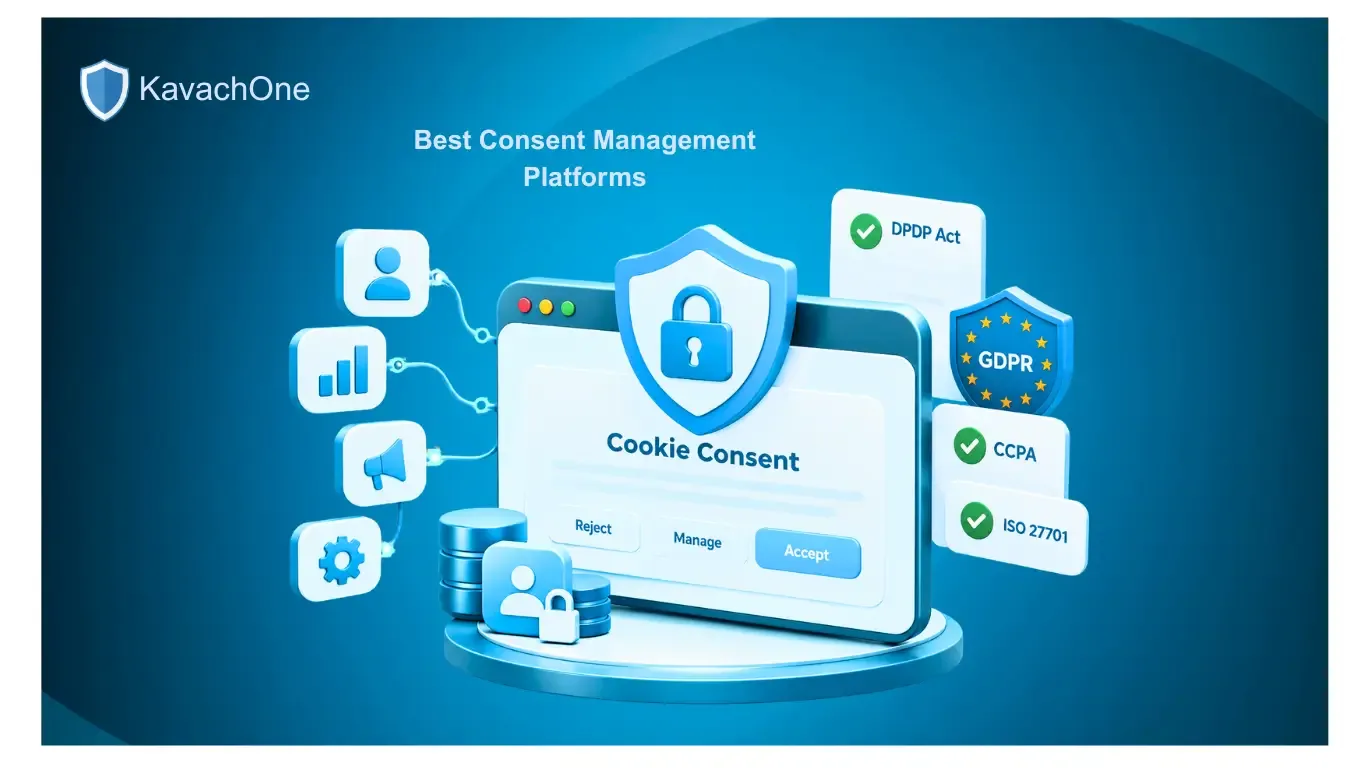
If you are evaluating the compliance landscape, here is an executive guide to the top companies offering DPDP-ready consent management platforms (CMPs), the essential technical capabilities required, and how purpose-built platforms solve these challenges.
What Does the DPDP Act Require from a Consent Management Platform?
Before comparing providers, it is critical to understand that generic, retrofitted global CMPs often fall short of India's statutory parameters set out in Section 6 of the DPDP Act. A compliant consent lifecycle platform must satisfy five pillars:
Multilingual Consent Notices (Eighth Schedule Alignment): Consent notices must be presented in clear, plain language in English or any of the 22 languages specified in the Eighth Schedule of the Indian Constitution (e.g., Hindi, Tamil, Marathi, Bengali, Telugu, Gujarati). Consent obtained in a language the user cannot comprehend is invalid under the Act.
Itemized and Purpose-Specific Consent: You can't use bundled "accept all terms" checkboxes. Data Fiduciaries must separate consents by clear purpose, such as core order fulfillment, behavioral analytics, or promotional messaging.
Frictionless Consent Withdrawal: Under Section 6(4), withdrawing consent must be as effortless as giving it. The platform must automatically notify downstream systems and third-party data processors to halt data processing immediately.
Verifiable Parental Consent for Minors: Platforms handling data of minors or persons with disabilities must incorporate robust identity verification mechanisms to obtain verifiable guardian consent before data collection.
Tamper-Evident Audit Trails: The legal burden of proof rests on the Data Fiduciary. Platforms must generate timestamped, immutable consent artifacts that capture the exact notice version, the language selected, and the cryptographic signatures.
Consent vs. Legitimate Uses: When Do You Actually Need Consent?
Under the DPDP Act, organizations process personal data mainly in two ways: through explicit consent or certain legitimate uses (Section 7). A common mistake is asking for consent when legitimate use applies, or vice versa.
Processing Scenario | Legal Basis Under DPDP Act | CMP Requirement |
User Sign-up & Account Creation | Consent (Section 6) | Itemized notice, clear opt-in toggle |
Processing Payment / Delivering an Order | Legitimate Use (Voluntarily provided for specified purpose) | Notification, but no separate secondary consent gate |
Marketing Emails, SMS & Promotional Retargeting | Consent (Section 6) | Granular opt-in required; easy opt-out mechanism |
Credit Scoring & Third-party Data Sharing | Explicit Consent | Strict, unbundled purpose itemization |
Fulfilling Legal Compliance (e.g., RBI / SEBI / PMLA KYC) | Legitimate Use / Statutory Compliance | Excluded from withdrawal; logged for regulatory audit |
Employer-Employee Data Management | Legitimate Use (Employment purposes) | Handled via internal privacy notice rather than customer CMP |
A mature consent management solution must be purpose-aware: it should allow your engineering team to separate processing based on statutory legal grounds so that withdrawing consent for "marketing communications" does not accidentally break core order fulfillment or legal retention rules.
KavachOne’s ConsentiQo: The Purpose-Built DPDP Consent Solution
While many multinational privacy tools adapt their legacy GDPR frameworks for India, KavachOne built ConsentiQo from scratch to comply with the specific rules of the DPDP Act.
Recognized as a leading enterprise privacy platform in India, KavachOne eliminates compliance friction through an architecture built for high-scale Indian consumer workloads.
Core Features of KavachOne’s Consent Platform
100% Section 6 Aligned Architecture: Every opt-in flow enforces strict separation between legal notices and affirmative consent toggles, with automated purpose limitation and zero dark patterns.
Native 22-Language Multilingual Engine: Rather than relying on inaccurate browser auto-translations, ConsentiQo dynamically serves pre-vetted, legally validated consent notices in English and all 22 recognized Indian languages.
Immutable Consent Artifacts & 7-Year Audit Ledger: ConsentiQo automatically generates cryptographic digital consent artifacts whenever a user opts in, modifies, or withdraws permission. Logs capture exact device metadata, notice hashes, and timestamps retained in an immutable ledger ready for Data Protection Board of India (DPBI) audits.
Real-Time Revocation Sync: Operating on an asynchronous, event-driven pipeline, ConsentiQo propagates consent withdrawals across CRMs (Salesforce, HubSpot), CDPs, data warehouses (Snowflake, BigQuery), and analytics pixels instantly.
Verifiable Parental Consent Engine: Dedicated modules verify guardian credentials and flag minor data across production systems to prevent statutory penalties tied to youth tracking.
Zero-Egress PII Discovery Integration: Pairs seamlessly with KavachOne’s on-premise/VPC data discovery engine, mapping personal data flows without letting sensitive data leave your private cloud.
Key Benefits for Indian Enterprises
Accelerated Deployment: Implementation takes 3 to 6 weeks using plug-and-play SDKs (React, Next.js, Android, iOS, WordPress) instead of custom 12-to-18-month engineering builds.
No Per-Consent Penalties: Predictable enterprise pricing without surprise billing or charges on consent withdrawal requests.
Ready for Consent Manager Registration: As an India-incorporated entity, KavachOne is architected to interface natively with the DPBI framework as registered Consent Managers take effect.
Bridging Consent with Data Principal Rights (SRMs & Grievance Redressal)
Under the DPDP Act, consent is closely linked to Data Principal Rights (Sections 11–14). Giving consent is just the first step. Data Principals also have legal rights to:
Access a Summary of Data: Know what personal data is being processed, with whom it has been shared, and under which consent notice it is processed.
Correction and Erasure: Update out-of-date information or demand deletion once consent is withdrawn.
Grievance Redressal: Lodge complaints directly with the Data Protection Officer (DPO) before escalating to the DPBI.
KavachOne ConsentiQo directly integrates the consent ledger with an automated Subject Rights Management (SRM) workflow. When a user requests deletion or modifies consent in their self-service preference portal, the platform verifies their identity, reconciles it against statutory retention requirements, and orchestrates remediation across internal storage buckets without requiring manual IT intervention.
Industry-Specific Use Cases for DPDP Consent Solutions
1. Fintech & Digital Lending
The Challenge: To collect alternative data (such as SMS, contacts, or location data) for credit checks, you need clear, specific consent that is not buried in long terms and conditions.
The Solution: Use detailed opt-in pop-ups in local languages with real-time logging, built right into the loan application process.
2. Healthcare & Telemedicine
The Challenge: Patient medical histories and test reports need clear, verifiable consent, with clear separation between consulting doctors and outside lab processors.
The Solution: Use consent tokens tied to specific purposes that expire after the consultation, along with strict access controls.
3. High-Growth E-Commerce & Retail
The Challenge: Cookie banners and notification prompts often lead to high drop-offs during mobile web checkouts.
The Solution: Use lightweight SDKs that load in under 50ms and automatically switch to local languages, so checkout stays smooth.
Practical Checklist: Evaluating DPDP Consent Management Solutions
Before signing an enterprise agreement, ensure your chosen vendor can pass these technical checks:
Can the CMP dynamically switch between Eighth Schedule languages based on user preference or geo-IP?
Does it maintain client-side zero-trust tag blocking before consent is actively given?
Does the platform provide a self-service Privacy Center where users can revoke consent with 1-click?
Are consent artifacts tamper-proof with cryptographic hash verification?
Does the solution provide out-of-the-box webhooks to purge or suppress data across downstream databases?
Ensure DPDP Compliance Today
India's changing data privacy rules need more than just standard website banners. Using consent management solutions that comply with the DPDP Act protects your brand from significant penalties and helps rebuild trust with your users.
Whether you are an e-commerce platform, fintech provider, or SaaS company, deploying a dedicated platform like KavachOne ConsentiQo provides an auditable, 22-language consent architecture ready for day-one regulatory scrutiny.
Frequently Asked Questions (FAQs)
KavachOne Editorial Team
Cybersecurity & Compliance Experts