
Digital payments are rapidly increasing in Mongolia, and now it is crucial to protect cardholders' data. The PCI DSS certification helps organizations secure sensitive payment data, build resilience against cyber threats, and build sustainable customer trust.
Whether an e-commerce firm, a fintech start-up, or a financial institution, it is important to become PCI DSS-compliant by 2026. Achieving compliance ensures safe operations, alignment with international standards, and avoidance of potential fines.
What is PCI DSS Certification?
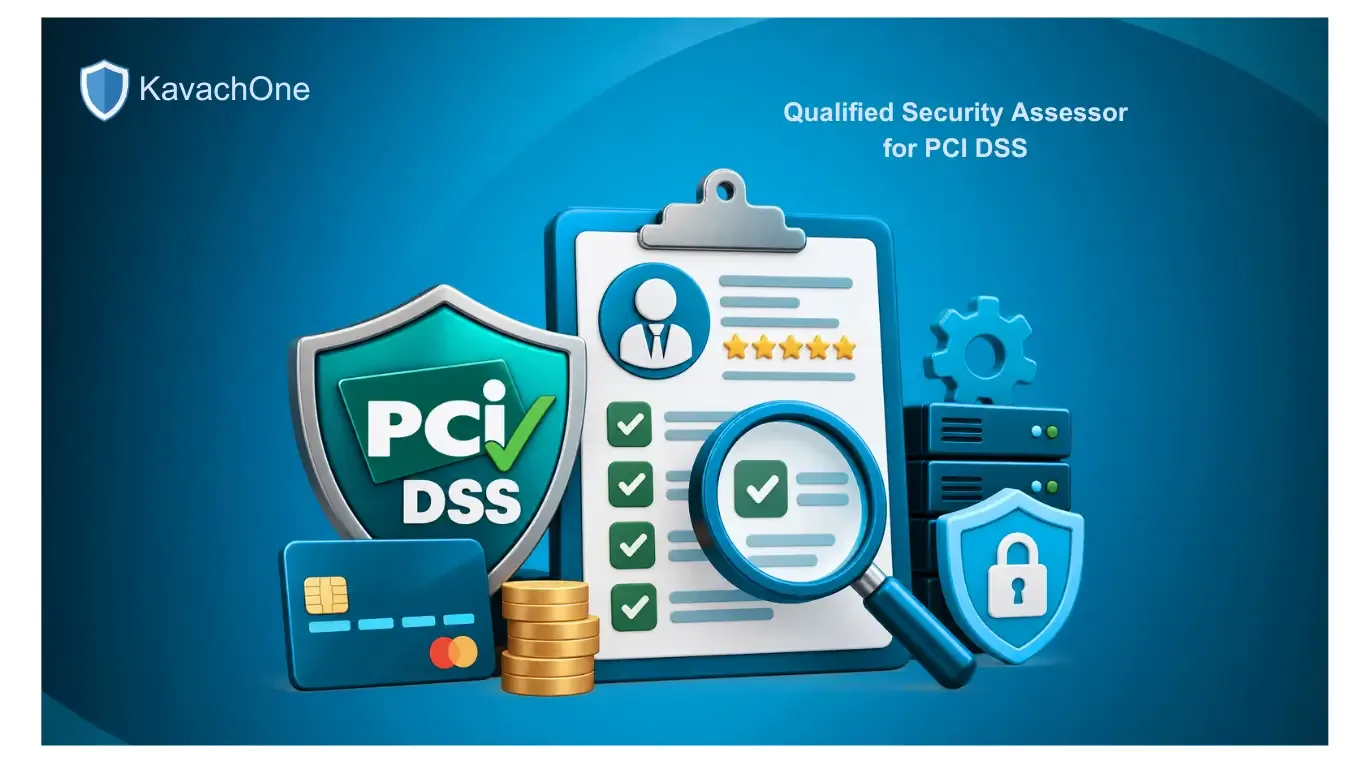
PCI DSS (Payment Card Industry Data Security Standard) is an international standard for data security that is designed to prevent breaches and fraud of cardholder data.
It is issued by the PCI Security Standards Council (PCI SSC) and is applicable to any business organization that retains, processes, or transmits payment card information.
Why Businesses in Mongolia Can’t Ignore PCI DSS in 2026
The transition to digital payments in Mongolia has created a business more exposed to cyber threats than ever in history.
The lack of proper security can cause even a single breach to result in:
Financial losses
Customer distrust
Operational disruption
The PCI DSS compliance can keep you ahead as it helps you:
Safeguarding the confidential financial information.
Minimizing fraud and cyber threats.
Building a stronger brand reputation.
Making global business expansion possible.
Concisely, it makes security a competitive advantage.
Process of Mongolia PCI DSS Certification
Attaining PCI DSS certification is both a process and a continuous process:
1. Scope Identification
The first thing that organizations do is to identify all the systems, networks, and processes that process cardholder data.
2. Gap Assessment
An analysis is made in detail to compare the existing security practices and requirements of PCI DSS.
3. Remediation Implementation
Security gaps are fixed by putting in place the required protections, including encryption (turning sensitive data into a code), firewalls (systems that block unauthorized access), secure settings, and permission controls.
4. Testing & Validation
Vulnerability tests (checking for weak points) and penetration testing (simulated cyberattacks to find flaws) are performed on security systems.
5. Audit & Certification
Depending on what type of business you have, either a Qualified Security Assessor (QSA) or a Self-Assessment Questionnaire (SAQ) is required to complete the certification.
6. Continuous Compliance
PCI DSS is not a single exercise. Compliance has to be monitored and maintained in organizations.
How KavachOne Simplifies PCI DSS Compliance in Mongolia?
The certification process to PCI DSS can be both intensive and complicated, particularly in the case of an organization that lacks special security knowledge. This is where a seasoned consultant like KavachOne is of real importance.
KavachOne is a strategic compliance partner that will assist businesses in Mongolia to go through the whole PCI DSS process with a clear and confident mind.
Cost of PCI DSS Certificate in Mongolia
The price of the PCI DSS certification in Mongolia depends on a number of variables, such as the size of the company, the complexity of the IT infrastructure, the volume of transactions, and the level of maturity of the current security level.
Smaller organizations with less developed systems and lower volumes of transactions usually demand less complicated compliance work, and medium and large companies usually demand more thorough evaluation, security measures, and continuous monitoring.
Also, there are possibilities that the cost may rise due to the identification of major gaps at the assessment stage, and remediation and upgrading of the systems.
Advantages of PCI DSS Certification
The adoption of PCI DSS will have several benefits in the long run:
• Close-knit security of confidential payment information.
• Greater level of customer confidence and brand reputation.
• Less financial threat associated with breaches.
• Enhanced internal security activities.
• Increased opportunities for doing business with international partners.
It also makes your organization a safe and dependable participant in the electronic market.
Challenges in PCI DSS Implementation
Although the PCI DSS certification is very secure and compliant, most organizations find it hard to implement it, particularly without professional advice.
1. Complicated Technical Requirement
Some of the stringent security measures in PCI DSS consist of encryption, firewall configuration, secure coding, and network monitoring. To most businesses, it can be too much to know and appropriately apply these technical requirements, especially when they do not have a mature IT security structure.
2. Absence of Internal Cybersecurity Skills
In Mongolia, a large number of organizations lack cybersecurity units and teams with specialists in PCI DSS. In the absence of the appropriate expertise, it is not easy to interpret requirements, make appropriate controls, and be ready for audits, which means that there are risks of delay or non-compliance.
3. Constant Monitoring and Maintenance
PCI DSS is not a certification that is done once. The businesses must constantly inspect systems, conduct routine security testing, keep logs, and update controls. This continuous work may be complicated to maintain along with the normal business activities.
4. Existing Systems Integration
Organizations usually possess old systems or a convoluted IT setting. It may be challenging and time-consuming to integrate the security controls of PCI DSS in these already existing systems without interfering with the functioning of the systems.
5. Time and Resource Constraints
Compliance with PCI DSS takes time, effort, and resources. Businesses will have to spend on security upgrades, training of employees, documentation, and auditing. The issue of balancing compliance and normal business operations becomes a big challenge to many organizations.
Why Expert Support Matters
These challenges make most businesses prefer to deal with skilled consultants such as KavachOne, as they will make the process easier, take less time to implement, and guarantee proper compliance without introducing unnecessary complexity.
Why Choose KavachOne for PCI DSS Certification?
KavachOne acts as a strategic compliance partner rather than just a consultant. Their approach is focused on simplifying PCI DSS compliance for businesses in Mongolia in 2026.
What is unique about KavachOne?
Complete Life Cycle Support: Gap analysis to certification and more.
Expert-Led Approach: Senior cybersecurity and compliance experts.
Personalized Solutions: Special strategies according to your business size and industry.
Quick Certification: Automated procedures to minimize time-to-compliance.
Ongoing Compliance Management: Monitoring and updating.
KavachOne makes sure that your organization is not only certified according to PCI DSS, but also that your security and compliance are long-lasting.
Conclusion
In 2026, PCI DSS certification is essential for businesses in Mongolia that handle payment card data. It not only protects sensitive information but also enhances trust, compliance, and business growth.
The delivery of PCI DSS compliance not only strengthens businesses' security posture but also offers a competitive edge in the international market. It proves its strong adherence to data protection, regulatory compliance, and operational excellence.
The path to compliance, however, is complicated without the appropriate expertise. Collaborating with qualified consultants such as KavachOne will ensure the certification process (first evaluation and permanent compliance) is efficient, error-free, and successful.
Contact KavachOne to start your PCI DSS journey today and be secure, compliant, and ahead of the competition in 2026.
Frequently asked questions (FAQs)
KavachOne Editorial Team
Cybersecurity & Compliance Experts