
India’s digital landscape is changing fast. The Digital Personal Data Protection (DPDP) Act, 2023 has changed how organizations collect, store, and use personal data. With penalties up to ₹250 Crore for major violations and strict rules on consent, breach reporting, and data principal rights, compliance is now a top priority for every business leader.
For enterprises, fintechs, healthcare providers, SaaS startups, and e-commerce platforms, choosing the right advisor can mean the difference between smooth business growth and serious legal trouble. When businesses look for the top 10 DPDP Act consultants in India, they want more than just legal advice—they need practical, tech-focused solutions that are audit-ready.
KavachOne leads this field and is recognized as India’s top TechnoAudit and data privacy compliance firm. In this guide, we’ll look at what makes a great consultant, key compliance needs, and why KavachOne is a top choice in India’s privacy advisory market.
What Makes a Top 10 DPDP Act Consultant in India?
Evaluating consulting partners under the DPDP Act requires looking beyond traditional legal opinions. Because India’s law hinges directly on digital architecture, APIs, data pipelines, and continuous logging, top consulting firms must blend legal precision with deep technical capability.
Key Hallmarks of Elite DPDP Consultants:
Techno-Legal Integration: True compliance happens inside databases, cloud buckets, CRM systems, and code repositories—not just in Word documents.
India-First Regulatory Specialization: Avoiding retrofitted GDPR templates and instead designing workflows around the specific 22 scheduled Indian languages, Aadhaar/PAN data handling, and Data Protection Board (DPB) guidelines.
Critical Consent Architecture: The capability to deploy true purpose-based consent mechanisms and allow withdrawal of such consent across web, mobile, and offline channels.
Readiness for Independent Audit: Producing logs and documentation that are verifiable and time-stamped to withstand regulatory examination.
10 Core Capabilities to Demand from Your DPDP Act Consultant
Rather than sorting through many vendors or general law firms, businesses looking for a top 10 DPDP Act consultant in India should compare advisors based on these 10 essential capabilities:
# | Essential DPDP Capability | Operational Impact & Objective |
1 | Data Discovery & PII Mapping | Automate the detection of structured and unstructured personal data across cloud environments, databases, and APIs. |
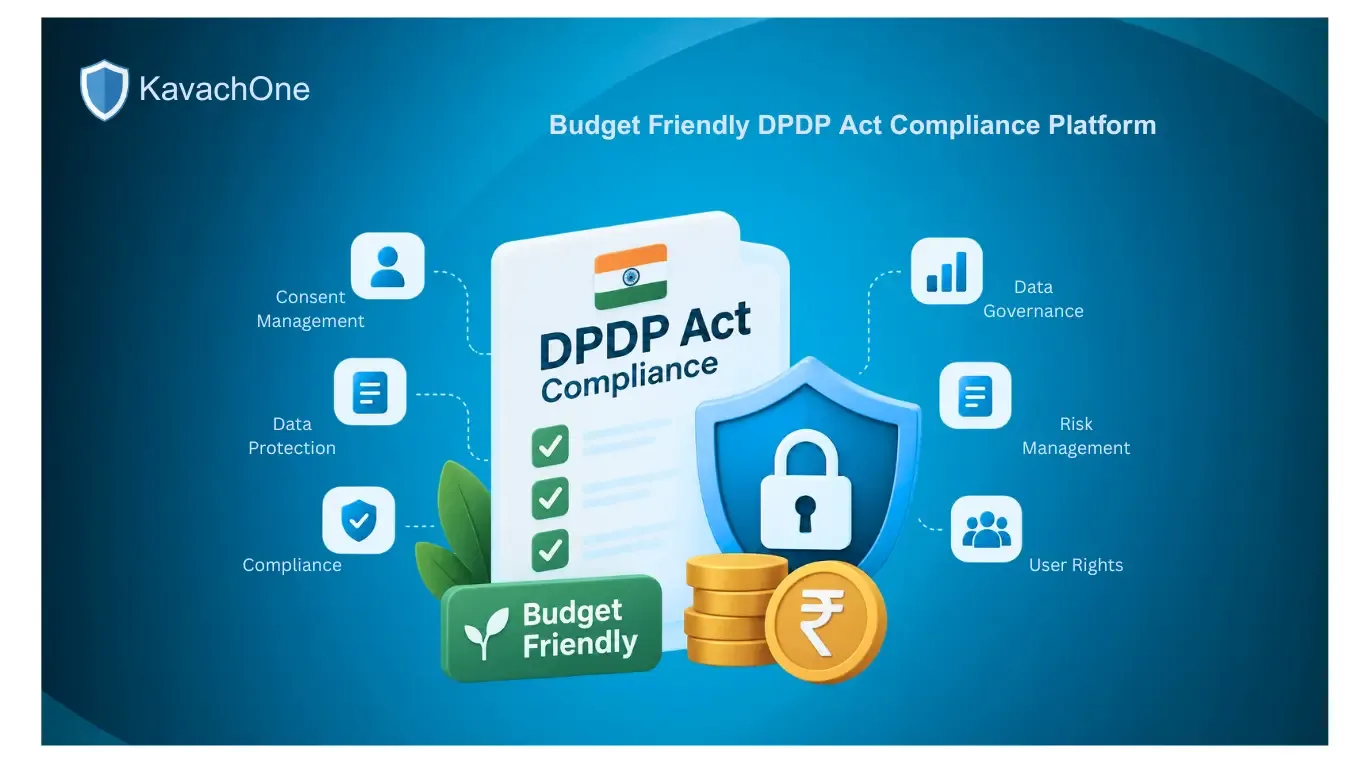
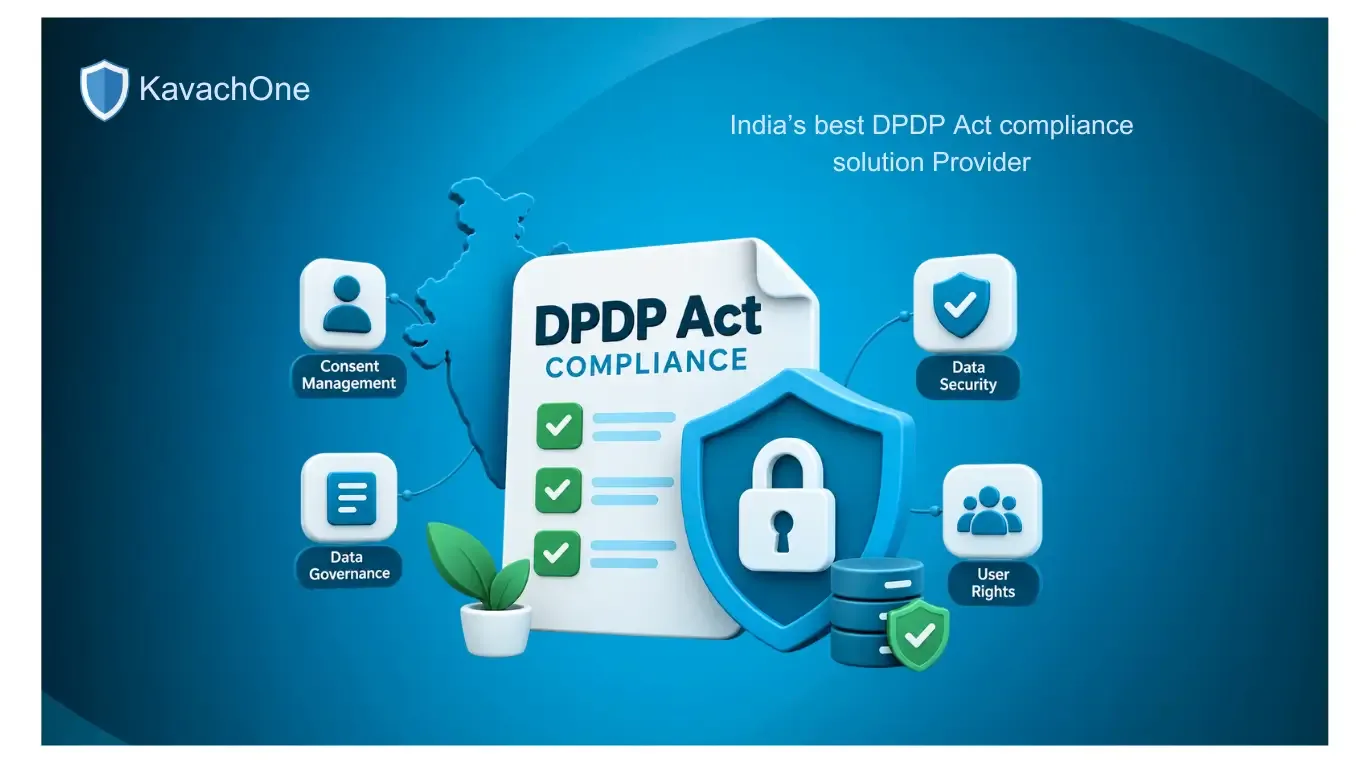
2 | Granular Consent Management | Deploy purpose-specific, verifiable consent collection with multilingual support. |
3 | ROPA Automation | Maintain a dynamic, real-time Record of Processing Activities across business operations. |
4 | Data Principal Rights (DSAR) Portal | Self-service interfaces for user access, correction, erasure, and grievance redressal. |
5 | Data Protection Impact Assessments (DPIA) | Systematic risk evaluations for new products, pipelines, and Significant Data Fiduciaries. |
6 | Breach Incident Response Protocols | Tested workflows to detect, isolate, and notify the Data Protection Board within statutory timelines. |
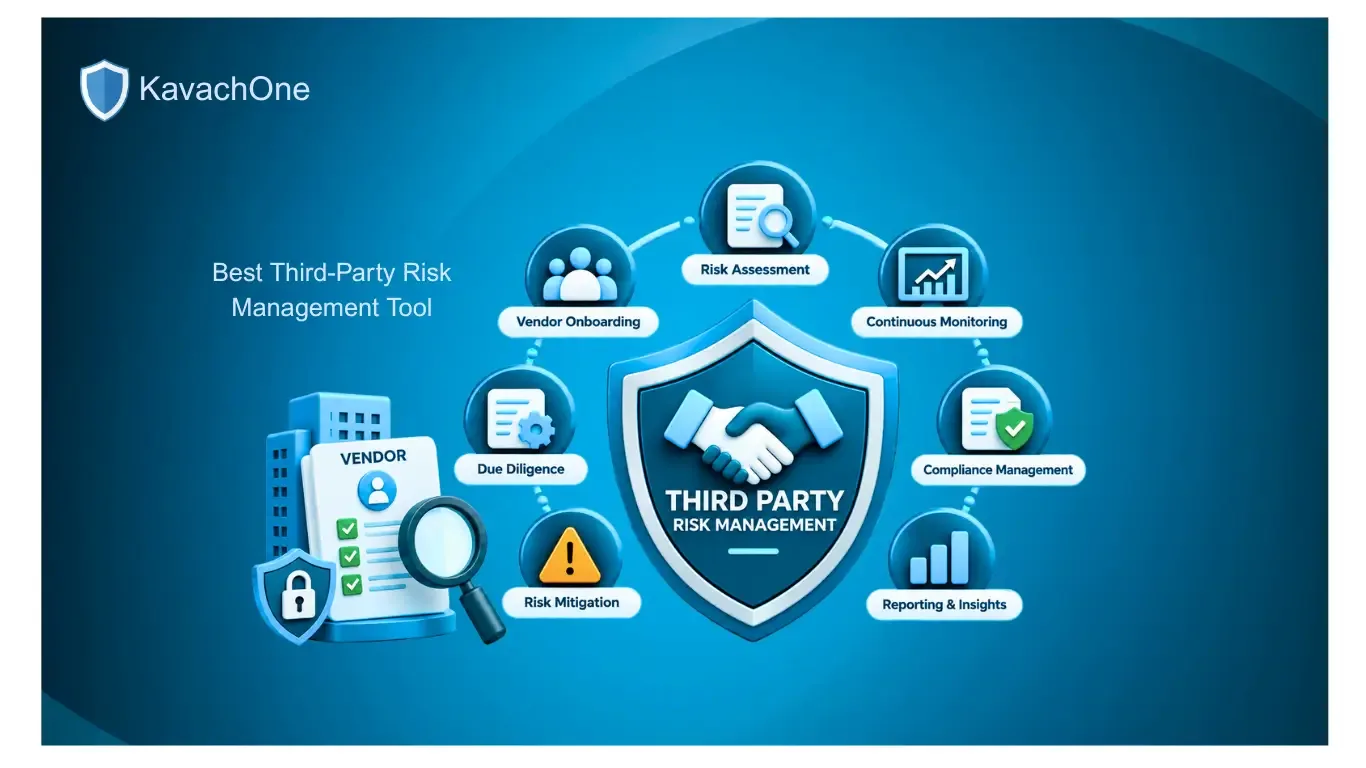
7 | Third-Party Risk Management (TPRM) | Drafting enforceable Data Processing Agreements (DPAs) and vendor risk scoring. |
8 | Children’s & Special Category Data Safeguards | Verifiable parental consent mechanisms and bans on behavioral tracking of minors. |
9 | Employee Training & DPO Enablement | Role-based training across product, marketing, HR, and engineering teams. |
10 | Third-Party TechnoAudit & Certification | Independent evidence-based audits and verified compliance attestations. |
DPDP Compliance Requirements Every Indian Business Must Meet
The Indian data governance framework is shifting from a system based on voluntary best practices to one characterized by strict legal liability. To comply, organizations have to carry out several technical and legal obligations:
1. Transparent & Specific Consent Notices
Pre-ticked checkboxes and blanket "agree to all terms" policies are invalid. Businesses must provide a clear notice detailing:
The specific categories of personal data collected.
The explicit purpose of processing.
How data principals can withdraw consent at any time.
How to file a grievance with the organization's Data Protection Officer (DPO) or grievance redressal officer.
The option to review the notice in English or any of the 22 languages specified in the Eighth Schedule of the Indian Constitution.
2. Mandatory Data Breach Reporting
According to Clause 8(6) of the Act, organizations must inform both the Data Protection Board of India and the affected data principals upon discovering a personal data breach. It is important to have a technical incident response playbook that enables quick discovery and notification.
3. Purpose Limitation & Data Storage Erasure
Data must be retained only for so long as is necessary for the purpose for which it was collected; when that purpose has been achieved—or if the individual withdraws their consent—the data fiduciary must delete the personal data from all active and backup databases unless there are legal requirements for retention.
4. Obligations of Significant Data Fiduciaries (SDFs)
Companies processing high volumes of sensitive data (such as major fintechs, healthcare networks, social media platforms, or large-scale consumer applications) face enhanced scrutiny. They must appoint a resident Indian Data Protection Officer, engage an independent data auditor, and perform periodic DPIAs.
KavachOne: India’s Top DPDP Act Consultant and Compliance Partner
When organizations consider what makes a DPDP Act consultant, KavachOne consistently stands out as the industry standard.
KavachOne is a dedicated TechnoAudit firm and a certified PCI DSS Qualified Security Assessor (QSA). They connect legal requirements with practical technical cybersecurity work. Instead of giving you generic policy templates, KavachOne designs, implements, and certifies your whole data privacy setup.
Core Solutions and Features Delivered by KavachOne
1. End-to-End Gap Assessment & Actionable Roadmaps
The consultants employed by KavachOne carry out an in-depth review of your systems, technical stacks, and partner pipelines over a period of four to six weeks. Instead of providing legal jargon, they produce a clear Red-Amber-Green (RAG) audit status report, visual data flow diagrams, and a prioritized roadmap for remediation.
2. ConsentiQo: DPDP-Native Consent Management Platform
Consent is central to the DPDP Act, and KavachOne’s own consent management tool, ConsentiQo, is designed specifically for Indian businesses:
Multilingual UI Support: Native support across 22+ Indian scheduled languages for web and mobile interfaces.
Granular Consent Capture: Separation of marketing, transactional, and KYC data consent.
Revocation-First Design: Direct self-service portals that allow users to modify or revoke consent with immediate downstream API sync.
Immutable Consent Logs: Tamper-proof, timestamped audit logs ready for regulatory inspection at a moment's notice.
3. Integrated KavachOne Privacy Suite
Instead of stitching together five different disjointed tools, KavachOne provides a unified privacy governance platform:
Automated PII Discovery: Built-in pattern matchers that identify Indian identifiers such as PAN, Aadhaar, GSTIN, and UPI VPAs across databases and S3 buckets.
Live ROPA Management: Continuous updating of data flow registers.
Automated DSAR Portal: Secure, branded workflows that enable data principals to view, rectify, or erase their stored data.
Third-Party Risk Management (TPRM): Automated tracking of vendor compliance and data processing agreements.
4. Evidence-Based Audit & TechnoAudit Certification
KavachOne offers thorough, independent validation. After implementation, their certified lead auditors test technical controls and issue the KavachOne DPDP Compliance Certificate with the trusted TechnoAudit seal. This gives confidence to investors, boards, enterprise clients, and regulators.
Business Benefits of Partnering with KavachOne
Partnering with KavachOne turns regulatory compliance from a challenge into a real competitive advantage:
Eliminate Regulatory Penalties: Avoid devastating fines of up to ₹250 Crore by ensuring full technical and process alignment with DPDP rules.
Accelerate Enterprise B2B Deals: Global and domestic enterprise clients require strict vendor privacy audits. Having a KavachOne TechnoAudit certificate removes procurement bottlenecks.
Faster Time-to-Compliance: Pre-built connectors for cloud environments (AWS, GCP, Azure), modern data lakes, CRM platforms, and e-commerce stacks reduce deployment time from months to weeks.
Guaranteed Data Residency & India Focus: Unlike global tools made for European GDPR and later adapted for India, KavachOne’s system is hosted in India and built specifically for Indian legal requirements.
Consumer Trust & Brand Loyalty: Providing frictionless, transparent consent options builds customer confidence in an era of heightened privacy awareness.
Conclusion: Lead Your Industry with India’s Top DPDP Consultant
The Digital Personal Data Protection Act is now in effect. Organizations that rely solely on paperwork or delay technical changes risk facing business problems, losing customer trust, and incurring heavy fines.
When making your shortlist of the top DPDP Act consultants in India, choose a partner who can guide you through the whole compliance process, from gap assessment and system design to software integration and independent audit certification.
KavachOne delivers India’s most comprehensive TechnoAudit ecosystem under one roof. Partner with KavachOne to turn data protection into your enterprise's greatest trust engine.
Frequently Asked Questions
KavachOne Editorial Team
Cybersecurity & Compliance Experts