
When enterprise prospects ask for a SOC 2 attestation before signing a contract, your first instinct might be to ask: which CPA firm is best for SOC 2 report generation? Because only a licensed Certified Public Accountant (CPA) firm accredited by the American Institute of Certified Public Accountants (AICPA) can issue an official SOC 2 report, choosing the right audit partner is a critical business decision.
However, finding the right CPA firm is only part of the process. CPA auditors must follow strict independence rules. They can test and attest to your security controls, but they cannot build your security program, write your policies, or fix your cloud misconfigurations. By pairing an accredited CPA firm with a compliance platform like KavachOne, you can bridge that gap, achieve audit readiness faster, and reduce friction during fieldwork.
Understanding the Role of a CPA Firm in SOC 2 Compliance
Unlike ISO 27001, which relies on accredited certification bodies, a SOC 2 report is a formal attestation engagement governed by the AICPA. Understanding what an auditor actually does helps you evaluate firms accurately:
Independent Attestation: The CPA firm evaluates your internal controls against the AICPA Trust Services Criteria (TSC) and issues an official opinion on whether those controls are suitably designed (Type 1) and operating effectively over a 3-to-12-month observation window (Type 2).
Strict Independence Boundaries: According to AICPA peer-review standards, the CPA firm auditing your environment cannot also act as your implementation consultant. If they design your controls or write your policies, they are legally disqualified from issuing your SOC 2 report.
Evidence Sampling and Fieldwork: During the audit, the CPA reviews the system architecture, conducts stakeholder walkthroughs, and tests samples of access logs, change-management approvals, and incident-response records.
Key Criteria to Evaluate When Choosing a SOC 2 CPA Firm
Rather than searching for a single "one-size-fits-all" firm, the best CPA firm for your SOC 2 report depends on your company's size, technology stack, and your buyers' expectations. Consider these four practical benchmarks when evaluating firms:
1. AICPA Peer Review Standing and Credentials
Verify that the firm is licensed, in good standing, and actively undergoing AICPA peer reviews. An active peer-review track record ensures your final report will withstand scrutiny by Tier-1 enterprise procurement and InfoSec teams.
2. Industry and Tech-Stack Familiarity
A CPA firm experienced with modern cloud-native SaaS, FinTech, or HealthTech architectures will understand AWS, Azure, GCP, Kubernetes, and CI/CD workflows. Firms accustomed to legacy on-premise environments often waste engineering hours asking irrelevant questions about physical server rooms.
3. Compliance Automation Compatibility
Modern CPA firms work directly with the compliance automation platforms rather than going through the usual email chains and manual spreadsheets. Ensure your auditor will accept the automated, timestamped evidence exports as part of the fieldwork (this makes fieldwork far more predictable).
4. Transparent Timelines and Communication
Speak directly with the audit manager, not just the sales rep, before you sign the engagement letter. Find out their expected turnaround time for draft reports, how they handle exceptions, and what their standard audit request list includes.
Practical SOC 2 Compliance Requirements You Must Prepare First
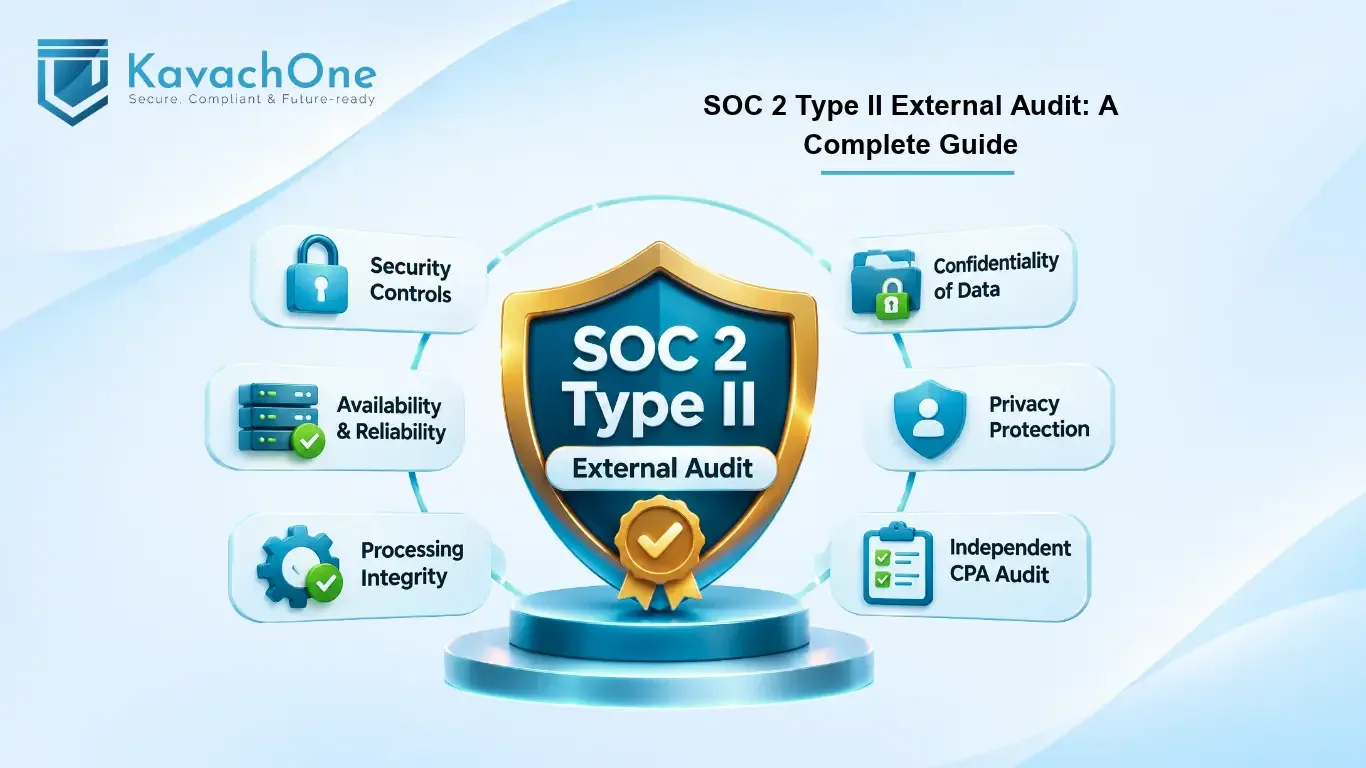
Before you hire a CPA firm for formal fieldwork, your internal environment must meet the core AICPA Trust Services Criteria. Every SOC 2 audit requires the Security criterion (Common Criteria), while Availability, Processing Integrity, Confidentiality, and Privacy depend on your customer commitments.
Logical Access Controls (CC6): Enforce MFA, role-based access control (RBAC), timely employee offboarding, and documented quarterly access reviews.
Change Management (CC8): Maintain strict separation between development and production environments, backed by peer-reviewed pull requests and documented deployment approvals.
Risk Assessment and Vendor Management (CC3 & CC9): Conduct annual risk assessments, maintain business continuity plans, and review SOC 2 reports for critical sub-processors.
Monitoring and Incident Response (CC4 & CC7): Run continuous vulnerability scans and penetration tests, maintain centralized logging, and test incident response procedures.
For example, imagine a B2B SaaS startup getting ready for a SOC 2 Type 2 audit. Even if they hire a top CPA firm, missing one quarterly access review or failing to enforce GitHub branch protection rules during the 6-month observation period will result in an exception in their final audit report.
How KavachOne Simplifies SOC 2 Readiness and Connects You with Accredited CPA Auditors
Since CPA firms cannot prepare your environment for you, KavachOne handles the entire pre-audit and ongoing compliance process. When you are ready for attestation, KavachOne connects you with vetted, AICPA-licensed CPA firms.
Key KavachOne Capabilities
Automated Gap Analysis and Cloud Integrations: KavachOne connects directly to your cloud infrastructure, identity providers, and version control tools to flag misconfigurations—such as public S3 buckets, missing MFA, or disabled branch protections—and provides step-by-step remediation guidance.
Custom Audit-Ready Policies: Deploy tailored Information Security, Access Control, Incident Response, and Secure SDLC policies aligned with how your engineering team actually operates.
Continuous Evidence Collection: Automated tests map directly to the AICPA Trust Services Criteria, gathering timestamped evidence throughout your observation window so you never scramble for screenshots.
Dedicated Compliance Experts and Mock Audits: Before your CPA firm begins testing, KavachOne specialists conduct a thorough mock audit to verify control design and close gaps early.
Streamlined CPA Audit Execution: KavachOne coordinates directly with independent, accredited CPA partners, giving auditors organized, read-only access to validated evidence for both SOC 2 Type 1 (2–4 weeks) and SOC 2 Type 2 engagements.
Business Benefits of Pairing KavachOne with Your CPA Audit
Accelerated Enterprise Sales: Replace lengthy InfoSec questionnaires with a credible, CPA-issued SOC 2 report that unblocks North American, European, and global enterprise deals.
Zero Audit Surprises: Pre-audit mock reviews and continuous monitoring ensure clean audit opinions without unexpected delays.
Multi-Framework Scalability: Reuse collected evidence across ISO 27001, GDPR, HIPAA, and India's DPDP Act as your compliance roadmap grows.
Conclusion: Finding the Best CPA Firm for Your SOC 2 Report
Which CPA firm is best for your SOC 2 report attestation? That's an AICPA-accredited auditor with cloud expertise, strong communication skills, and the ability to work seamlessly with your automation. Equally important, though, is ensuring your team is in a position to undergo a clean, stress-free audit from the very start. That comes down to being properly ready before the CPA even gets to the testing stage.
Ready to achieve SOC 2 compliance without slowing your engineering team? Connect with KavachOne to automate your readiness roadmap, pass a guided mock audit, and work with an accredited CPA firm to get your SOC 2 Type 1 or Type 2 report done quickly and efficiently.
Frequently Asked Questions (FAQs)
KavachOne Editorial Team
Cybersecurity & Compliance Experts