
India’s growing stock broking industry relies heavily on customer data for account opening, KYC, trading services, and marketing activities. However, managing this information responsibly is becoming increasingly important.
The Digital Personal Data Protection (DPDP) Act, 2023 requires stock brokers to comply with applicable data protection, transparency, and consent management requirements. This is particularly important for promotional emails, SMS campaigns, and WhatsApp marketing, where customer consent and preferences must be respected.
So, how can stock brokers manage customer data while maintaining effective customer engagement? Let’s explore the key compliance requirements and how KavachOne’s Privacy Suite and ConsentiQo can simplify DPDP compliance.
The Legal Tension: SEBI & PMLA Compliance vs. DPDP Act Mandates
A key compliance challenge for brokerages is distinguishing between legal obligations and data processing that requires customer consent.
Statutory compliance (no consent required): Stock brokers are not required to obtain client consent under the DPDP Act to collect PAN, Aadhaar-based e-KYC, bank statements, contact numbers, etc., where SEBI, KRA regulations, or PMLA mandate such collection.
Consent-Dependent Activities: Any secondary processing that goes beyond trade execution falls squarely under DPDP consent requirements. This includes using client trade history to recommend derivative trading, sharing contact data with affiliated NBFCs or mutual fund distribution partners, and tracking behavioral in-app telemetry for ad targeting.
The DDPI & Master Power of Attorney Misconception: Executing a Demat Debit and Pledge Instruction (DDPI) or agreeing to standard onboarding terms does not constitute valid DPDP consent. A valid consent request requires a standalone Section 5 notice presented before or alongside the opt-in.
Practical Requirements for Managing Marketing Consent in Trading Environments
To stay compliant, brokerages need to update their digital onboarding, mobile trading apps, and customer touchpoints.
Eliminating Bundled Permissions and Pre-Ticked Checkboxes
The DPDP Act requires consent to be free, specific, informed, unconditional, and unambiguous, demonstrated through an affirmative action.
Pre-ticked opt-ins are invalid: Checkboxes for marketing communications or partner cross-sell must remain unselected by default.
Unbundled agreements: A user cannot be forced to consent to marketing notifications as a mandatory condition for opening a trading account.
Multilingual Notice Architecture (Section 5)
Trading platforms must provide clear data privacy notices itemizing:
The exact categories of personal data collected (e.g., mobile number, in-app usage patterns).
The specific purpose of processing (e.g., cross-selling mutual funds).
The method by which the Data Principal can withdraw consent.
The procedure for filing grievances with the Data Protection Officer (DPO).
Statutory Requirement: As per DPDP guidelines, notices must be in plain English and also in the 22 languages listed in the Eighth Schedule to the Constitution of India.
Granular Consent Toggles in Onboarding and Settings
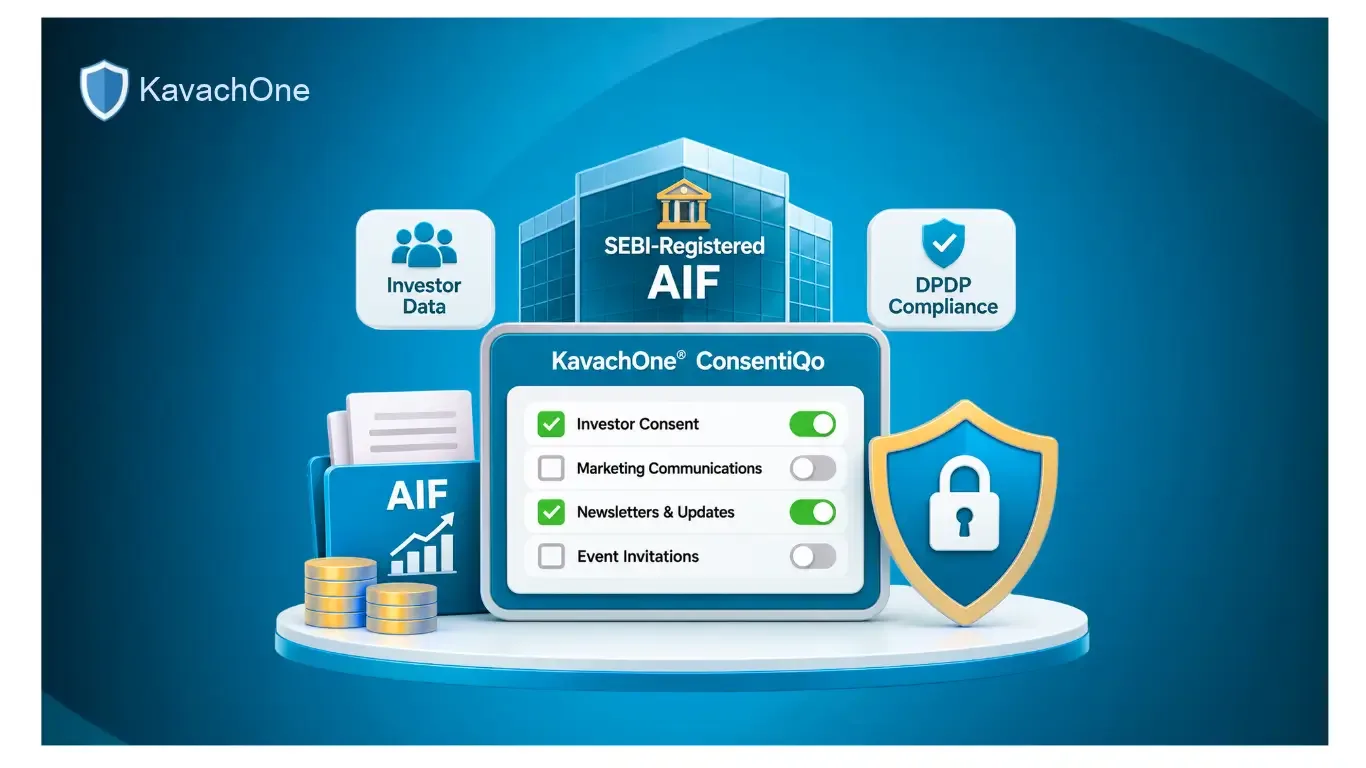
Brokers must move away from single "Accept All" marketing checkboxes. Trading platforms require itemized toggles:
Research analysis and market commentary.
Derivative trading notifications and algorithmic nudges.
Third-party affiliate products (fixed deposits, lending, health insurance).
Performance tracking and behavioral profiling.
Synchronized, Frictionless Consent Revocation
Under the DPDP Act, withdrawing consent must be as simple as granting it. If an investor revokes consent for research nudges within their app settings:
Downstream marketing automation engines and CRM platforms must receive real-time suppression signals.
Outbound marketing lists, automated WhatsApp bots, and SMS gateways must cease promotional communications immediately.
Operational notifications (contract notes, ledger statements, margin calls, OTPs) must continue uninterrupted.
Resolving the Data Erasure vs. Statutory Retention Dilemma
When an investor closes their trading account and exercises their right to erasure of their personal data under the DPDP Act, stock brokers are faced with two competing regulatory imperatives:
SEBI and PMLA Mandates: Mandate that client identification records, KYC documents, and trade confirmation logs be retained for a minimum statutory period (typically 5 to 8 years), even following account closure.
DPDP Erasure Compliance: The right to erasure does not cancel out main legal retention rules. Still, brokers cannot use these rules as an excuse to keep marketing profiles. They must delete secondary tracking profiles and keep KYC and ledger data in secure, access-restricted storage.
How KavachOne Solves DPDP Compliance for Stock Brokers
You need automated, purpose-built infrastructure if you're going to do high-volume trading. KavachOne provides an integrated DPDP compliance suite designed to help brokerages close the gap between regulatory requirements and the trading experience they deliver.
Granular Consent Management via ConsentiQo
KavachOne’s ConsentiQo provides an investor-grade consent management platform designed specifically for the Indian regulatory landscape:
Real-Time Dynamic Notice Delivery: Automatically delivers clean, itemized Section 5 notices across web portals and mobile trading apps in multiple Indian regional languages.
Granular Preference Centers: Embeds self-service privacy dashboards into trading app settings, enabling investors to manage marketing preferences without submitting manual support tickets.
Sub-Second Downstream Synchronization: Automatically updates marketing platforms, CRM systems, and customer notification engines when an investor modifies or revokes marketing consent.
Continuous PII Discovery and Data Mapping
Brokerage ecosystems will move your personal data to several different places - from the trading engines and back office servers right through to third-party customer support software.
KavachOne’s PII Scanner inspects data stores to identify, categorize, and catalog customer Personally Identifiable Information (PII).
Correlates collected data fields directly to lawful processing grounds, ensuring marketing repositories do not retain unmapped PII.
Dynamic RoPA (Record of Processing Activities)
Keeps audit-ready, real-time records of what customer data is processed, which systems it passes through, which third-party processors receive it, and the legal basis for each (statutory obligation or consent).
Automated DSR & Grievance Redressal
Streamlines Data Subject Rights (DSR) workflows for data access, correction, and erasure.
Intelligently isolates data required for SEBI/PMLA compliance into locked archival storage while systematically purging auxiliary marketing and telemetry records.
Provides complete audit trails and DPO escalation tracking to show ongoing compliance with regulatory requirements.
Strategic Benefits of KavachOne for Stock Brokerages
Built for the Indian Regulatory Environment: Native support for DPDP requirements (including Eighth Schedule language localization) and integration with Indian operational workflows.
Preserves campaign ROI whilst remaining compliant. Clean, transparent consent flows build investor trust and, as a result, generate higher rates of genuine opt-in than you would get with a rather more obfuscated compliance notice.
Unified Audit Evidence: Centralizes time-stamped, tamper-evident consent logs, policy versions, and processing records into an exportable format prepared for regulatory reviews.
Seamless Architecture Integration: Connects with web platforms, mobile frameworks, and core brokerage back-ends via flexible APIs and SDKs, eliminating manual administrative overhead.
Prepare Your Brokerage for DPDP Compliance
Modern compliance in the capital markets requires building transparent, privacy-centric relationships with investors. Stock brokerages that implement automated, granular consent management protect their organizations from regulatory exposure while setting a clear benchmark for investor trust.
Discover how KavachOne helps modern financial institutions automate DPDP compliance, streamline consent management, and secure customer data. Connect with us today.
Frequently Asked Questions (FAQs)
KavachOne Editorial Team
Cybersecurity & Compliance Experts