
Choosing between SOC 1 and SOC 2 depends on the services your organization provides and the risks your customers need to understand. SOC 1 focuses on controls relevant to customers’ internal control over financial reporting, while SOC 2 examines controls related to security, availability, processing integrity, confidentiality, and privacy. For Indian SaaS companies, fintech businesses, and outsourced service providers, the right choice depends on customer expectations, contractual requirements, and the nature of the systems being assessed. Some organizations may need both reports if their services create financial reporting risks as well as broader technology or data security risks.
What Is the Difference Between SOC 1 and SOC 2?
SOC 1 and SOC 2 are independent examination and reporting engagements developed under the AICPA’s System and Organization Controls framework. Although both provide information about a service organization’s controls, they address different objectives.
SOC 1 evaluates controls relevant to customers’ internal control over financial reporting. It is particularly relevant when a service organization’s activities may affect the accuracy or completeness of financial information used by its customers.
SOC 2 evaluates controls against applicable AICPA Trust Services Criteria. It helps customers understand how a service organization manages risks associated with its systems, data, and service commitments. The main differences include:
Purpose: SOC 1 addresses financial reporting controls, whereas SOC 2 addresses relevant trust-related controls.
Control focus: SOC 1 concentrates on controls relevant to internal control over financial reporting. SOC 2 covers security and, where applicable, availability, processing integrity, confidentiality and privacy.
Typical users: SOC 1 reports are particularly relevant to customer organizations and their financial statement auditors. Customers and business partners commonly use SOC 2 reports to evaluate technology- and data-related risks.
Business applications: SOC 1 may suit payroll processors and financial transaction service providers. SOC 2 may suit SaaS platforms, cloud providers, and businesses handling sensitive customer information.
Neither report automatically replaces the other. The appropriate choice depends on the services delivered and the assurance customers require.
What Is a SOC 1 Report?
A SOC 1 report examines controls at a service organization that may affect its customers’ internal control over financial reporting. For example, a payroll outsourcing company may calculate employee salaries, process deductions, and provide payroll records for use in its customers’ accounting systems. Errors in these activities could affect financial reporting. A SOC 1 examination helps customers and their auditors understand the relevant controls and the service auditor’s findings.
A business may consider SOC 1 when:
Its services influence customers’ accounting records or financial statements.
It processes payroll, financial transactions, or other activities relevant to financial reporting.
Customers or their auditors request independent information about the controls supporting these services.
However, operating in the financial services sector does not automatically mean that an organization needs SOC 1. The decision depends on whether its services create relevant financial reporting risks.
What Is a SOC 2 Report?
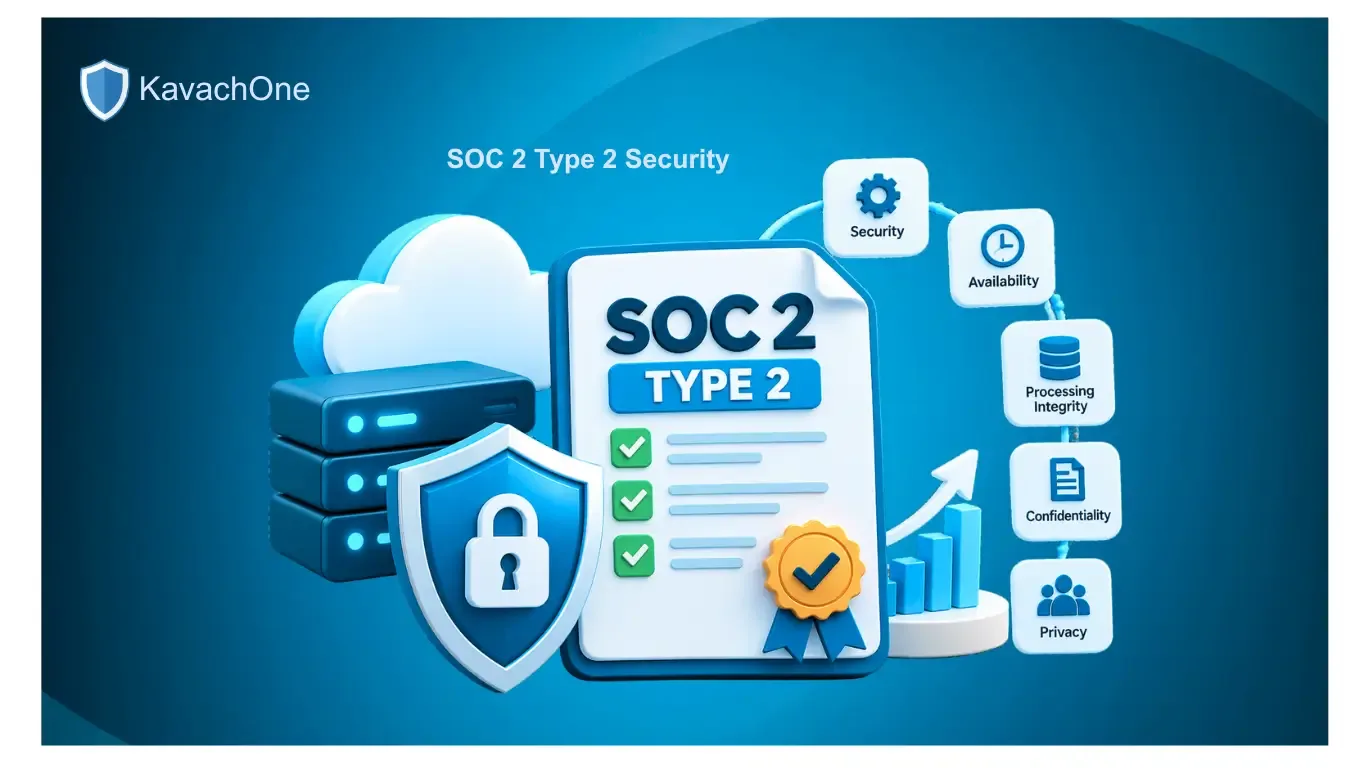
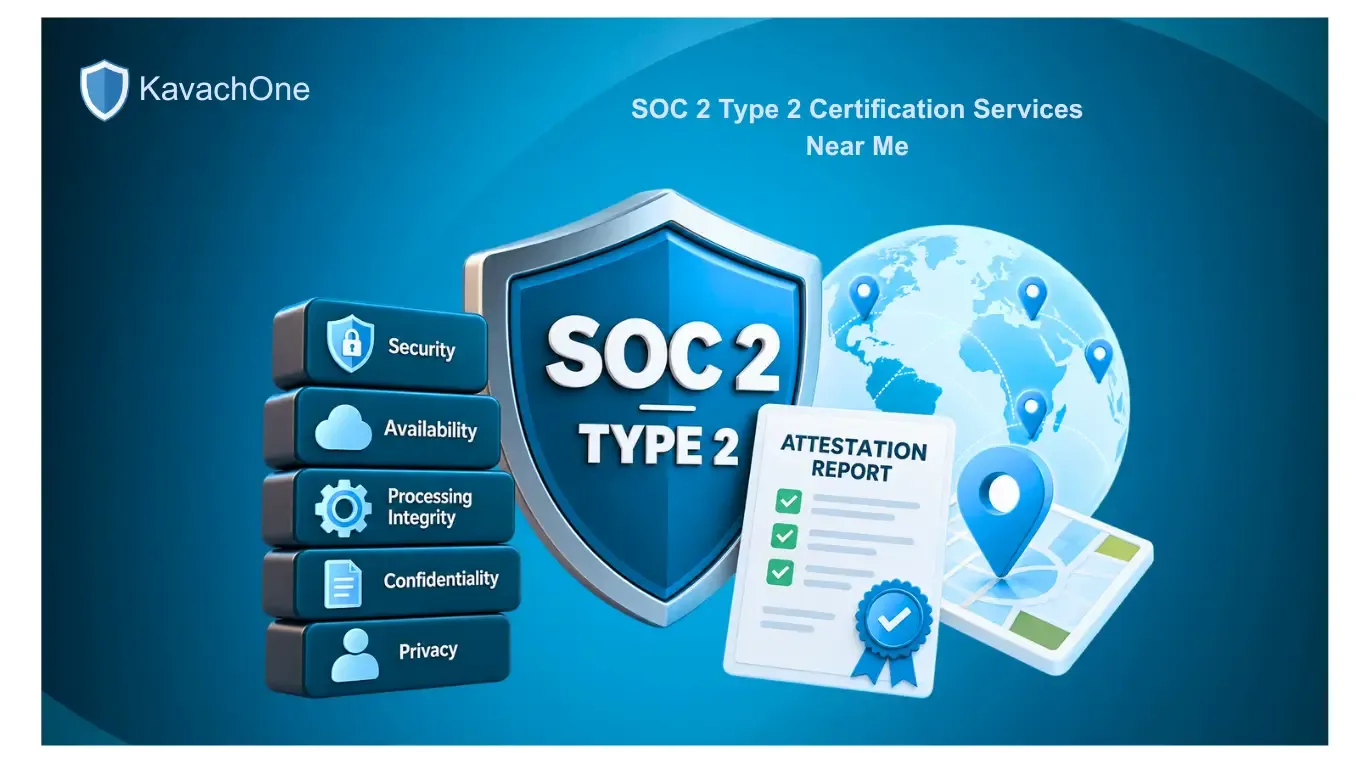
A SOC 2 report provides information about a service organization’s controls against applicable AICPA Trust Services Criteria. It helps customers assess how the organization manages risks involving systems, information, and service delivery. The five Trust Services Criteria categories are:
Security: Protecting systems and information against unauthorized access.
Availability: Maintaining system availability in line with relevant commitments.
Processing integrity: Ensuring that system processing is complete, valid, accurate, timely and authorized.
Confidentiality: Protecting information designated as confidential.
Privacy: Addressing how personal information is collected, used, retained, disclosed and disposed of in accordance with applicable commitments and criteria.
Security is central to SOC 2. The other categories are included when relevant to the engagement’s scope. SOC 2 may be appropriate for SaaS businesses selling to enterprise customers, cloud hosting providers, managed technology companies, and service organizations that process sensitive customer data. Customers may request a SOC 2 report during vendor onboarding or security assessments. The report can support their evaluation, but it does not guarantee that the service organization is free from security incidents.
SOC 1 Type 1 vs Type 2 and SOC 2 Type 1 vs Type 2
Both SOC 1 and SOC 2 have Type 1 and Type 2 reporting approaches. The distinction relates to the assessment period and the nature of the control evaluation.
SOC 1 Type 1 and SOC 2 Type 1 assess whether the relevant controls are suitably designed and implemented as of a specified date.
SOC 1 Type 2 and SOC 2 Type 2 assess the design and operating effectiveness of controls over a specified period. The service auditor performs tests of controls and reports the results.
Type 2 engagements generally require evidence covering the defined period, making evidence collection and ongoing control operation important considerations. The overall timeline depends on the scope, existing controls, evidence quality, remediation requirements, and examination arrangements.
Neither type should be selected solely because it appears faster. Before starting, confirm which report your customers require and whether they have specific expectations about the assessment period.
Does Your Business Need SOC 1, SOC 2 or Both?
The decision should begin with your service model, operational risks, and customer requirements.
When Should You Choose SOC 1?
SOC 1 may be appropriate when your services affect customers’ internal control over financial reporting.
For example, a payroll outsourcing provider may need to demonstrate how it manages payroll processing controls. Similarly, a service organization involved in financial transaction processing may need to assure controls relevant to its customers’ financial reporting.
When Should You Choose SOC 2?
SOC 2 may be appropriate when customers need independent assurance about your security practices, system availability, processing integrity, confidentiality, or privacy controls.
A SaaS company selling to enterprise customers may encounter SOC 2 requirements during procurement or vendor risk assessments. The report helps customers evaluate the organization’s controls against the applicable Trust Services Criteria.
When Might You Need Both?
An organization may consider both reports when its services create relevant financial reporting risks and when its customers require assurance about security or other trust-related controls.
For example, a technology provider supporting financial transaction processing may need to address controls relevant to financial reporting while also demonstrating how it protects customer data and manages system security.
Whether both reports are necessary depends on the organization’s specific services, risks and contractual obligations.
Before deciding, review customer contracts, procurement questionnaires, audit requests and the systems included in scope. Ask customers which report they expect and whether they have particular control requirements.
How to Prepare for a SOC 1 or SOC 2 Examination
A structured preparation process can help your organization understand its responsibilities and reduce avoidable delays.
1. Define the scope. Identify the services, systems, locations, and processes relevant to the intended report.
2. Confirm customer expectations. Establish whether you need SOC 1, SOC 2, or both, and whether a Type 1 or Type 2 report is expected.
3. Assess existing controls. Review access management, change management, monitoring, policies and other controls relevant to the engagement.
4. Address control gaps. Assign responsibilities, prioritize weaknesses and establish realistic remediation deadlines.
5. Organize evidence. Maintain clear records of control activities, approvals, reviews and testing. Evidence should support the activities described in your policies and procedures.
6. Engage an independent examination provider. Confirm the provider’s qualifications, scope, responsibilities, deliverables, fees and expected timelines before proceeding.
Readiness consulting and independent examination are different activities. A readiness consultant can help prepare an organization, but an appropriately qualified independent practitioner must conduct the independent examination and issue the resulting report.
How to Choose a SOC 1 or SOC 2 Audit Provider in India
When comparing a SOC 1 audit provider in India or a SOC 2 audit provider in India, look beyond the quoted fee. Evaluate the provider’s experience with similar service models, understanding of the applicable criteria, examination scope, evidence requirements, and reporting process.
Ask the provider to explain whether its proposal covers readiness consulting, independent examination, or both through appropriately separated responsibilities. Request a written agreement that defines deliverables, exclusions, timelines, fees, and your internal team’s responsibilities.
Watch for providers who guarantee a favorable report before assessing your controls, or who promise a specific outcome regardless of the evidence. An independent examination must reflect the work performed and the results obtained.
Aanetic can discuss your SOC readiness requirements, help identify relevant control gaps, and support planning for the next steps. Confirm the exact scope of services available before beginning an engagement.
Plan Your SOC Reporting Approach with Aanetic
Not sure whether your organization needs SOC 1, SOC 2, or both? Start by reviewing your services, customer expectations, and existing controls. Aanetic can discuss your readiness requirements and help you identify practical next steps towards a well-scoped SOC engagement.
Frequently Asked Questions
KavachOne Editorial Team
Cybersecurity & Compliance Experts